
A gym membership is easy to buy and hard to keep. Between the commute, the crowds, and the monthly fee, most memberships quietly die by spring — which is why a well-planned home gym can be the most reliable fitness investment you ever make. This guide to how to choose home gym equipment covers what actually matters: your goals, your space, and the small set of versatile pieces that deliver the most training value per square foot — no clutter, no gimmicks.
Quick answer: The right home gym equipment starts with adjustable dumbbells or a suspension trainer for strength, plus a mat and a set of resistance bands. That combination covers most full-body workouts in as little as 36 square feet. Measure your space first, buy for the workouts you will realistically do three times a week, and add cardio or recovery gear only after the basics are in place.
Start With Your Goals: The Best Home Gym Equipment Matches Your Training
Before you buy a single piece of home gym equipment, write down the one result you want most. Equipment follows training — and the wrong gear, no matter how good, collects dust if it does not serve your actual routine.
- Building strength or muscle? Prioritize adjustable dumbbells, a kettlebell, and resistance bands. Progressive resistance — adding weight or reps over time — is what builds muscle, so choose gear that can get harder as you get stronger.
- Cardio fitness? Look at a jump rope, an under-desk elliptical, or a folding treadmill or bike. Compact cardio options work well in apartments where a full-size machine will not fit.
- Functional fitness and mobility? A suspension trainer, a yoga mat, and a foam roller cover bodyweight training, stretching, and recovery in very little space.
- General health and weight management? A mix works best: strength gear for muscle, something cardio-focused for heart health, and a schedule you can actually keep.
Be honest about your calendar. The best home gym equipment is the equipment you will use three times a week — not the setup for the six-day split you aspire to. Buy for your real life, then expand as habits form.
Measure Your Space Before Buying Home Gym Equipment
Space is the constraint that shapes every home gym decision, so measure before you shop. Most dumbbell and bodyweight workouts fit in about a 6-by-6-foot area. That is your baseline: if you can clear a patch that size, you can train effectively at home.
A few measurements matter more than people expect:
- Floor area. Mark your training zone with tape and do a trial workout with arm circles and lunges. If your hands clear the furniture, the zone works.
- Ceiling height. Overhead pressing, pull-up bars, and suspension trainers need clearance. Low ceilings rule out some options and make others — like an under-desk elliptical — look better.
- Noise and floors. Apartments and upstairs rooms favor low-impact, quiet gear. Put a thick mat or interlocking rubber tiles under anything heavy to protect floors and keep neighbors happy.
- Storage. If your gym doubles as a living room, choose gear that disappears: adjustable dumbbells that replace a full rack, bands that hang on a hook, a trainer that anchors to a door and comes down in seconds.
- Light and air. A dark, airless corner kills motivation. Set up near a window or add a bright lamp — you are far more likely to train in a space that feels good.
Strength Essentials: The Core of Your Home Gym Equipment
Strength training is the highest-value part of a home gym. It supports bone density, metabolism, and everyday function — and the gear is more compact than most people assume.
Adjustable Dumbbells
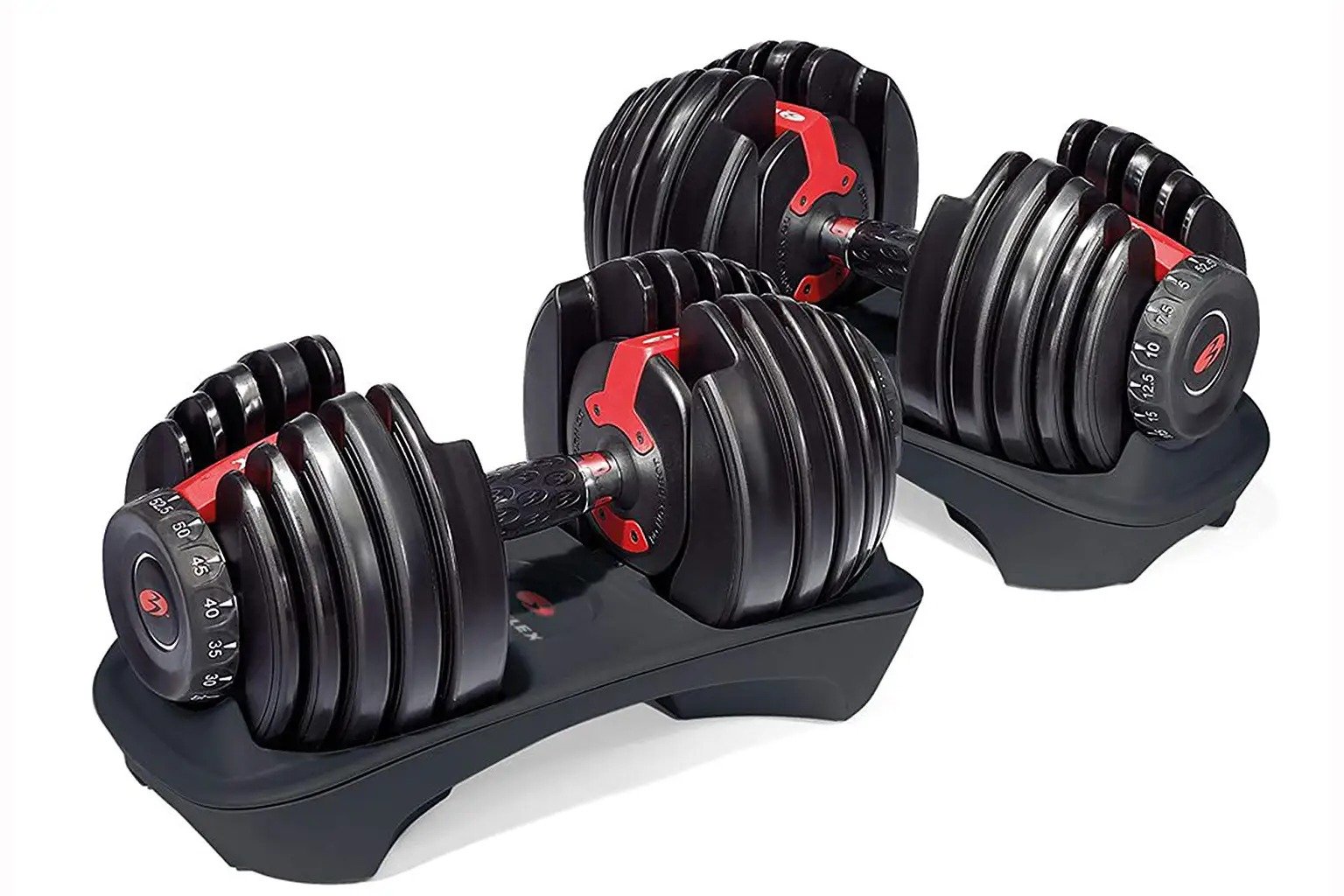
The single best first purchase for most people. Dial or twist mechanisms change weight in seconds, so one pair replaces a whole rack of fixed dumbbells. A range from light to moderately heavy (think 5 to 52.5 pounds per hand) covers beginners through intermediate lifters for presses, rows, squats, and carries. They live in one corner and take up almost no space.
Kettlebells
One or two kettlebells add swings, goblet squats, and carries — movements that train power and conditioning at the same time. They are simple, nearly indestructible, and store easily. Start with a moderate weight you can press overhead for several clean reps.
Suspension Trainers
A suspension trainer anchors to a door and uses your body weight as resistance. You scale difficulty by changing your body angle — step closer to the anchor to make it harder — so one strap serves beginners and advanced users alike. It trains pushing, pulling, and core in a package that fits in a drawer when you are done.
Resistance Bands
The cheapest serious training tool you can buy. Bands provide joint-friendly resistance that increases as they stretch, making them excellent for warm-ups, assistance work, and travel. They are also a good backup on days when heavier gear feels like too much. Get a set with several resistance levels and a door anchor.
A Sturdy Bench (Optional but Useful)
A flat or adjustable bench unlocks presses, step-ups, and supported rows. It is the bulkiest item on this list, so treat it as a second-wave purchase — add one only after you have used your core gear consistently for a month or two.
Cardio and Recovery Pieces for Your Home Gym Equipment Setup
Once strength basics are covered, round out the setup with cardio you enjoy and recovery tools that keep you training.
Low-Impact Cardio Options
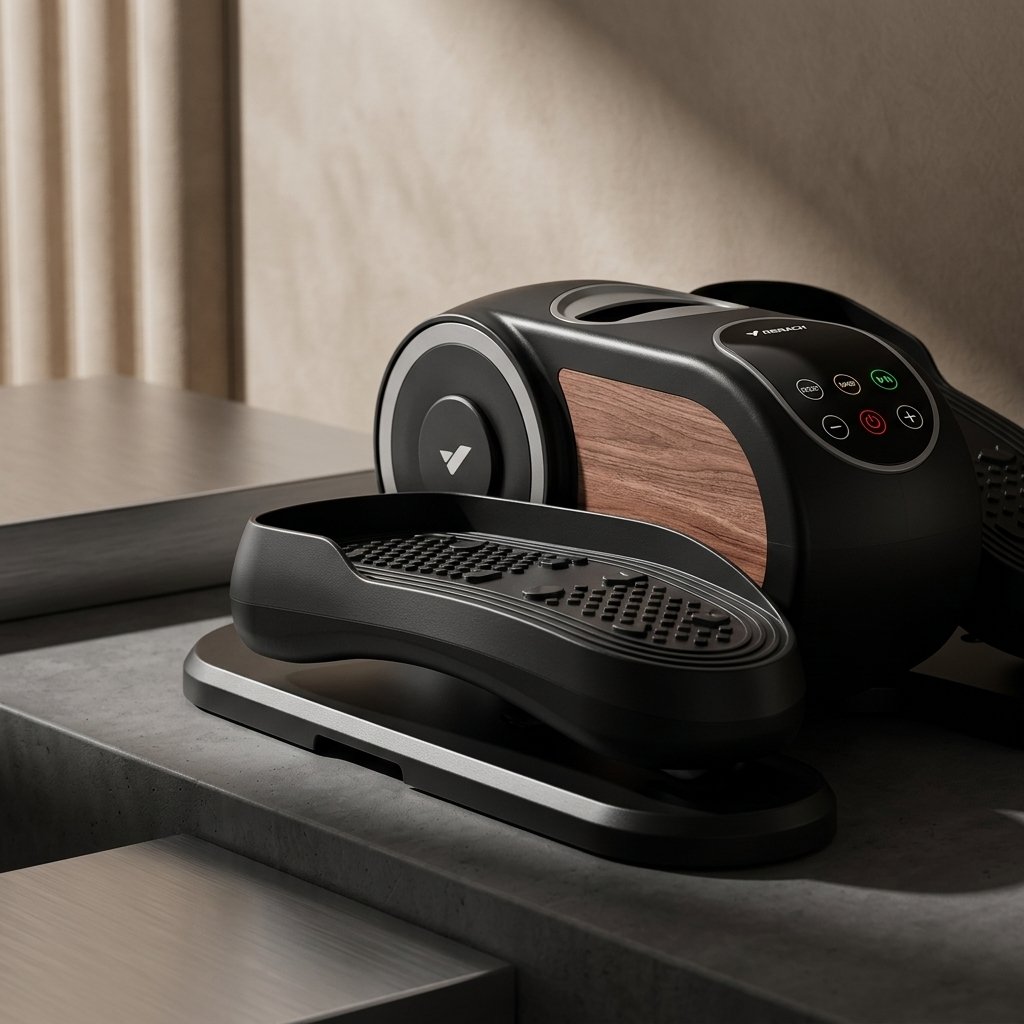
Not everyone wants — or has room for — a treadmill. A jump rope costs little, stores anywhere, and delivers serious conditioning. An under-desk elliptical lets you pedal quietly while you work or watch TV, which makes it one of the easiest cardio habits to keep. Folding treadmills and bikes offer more intensity but demand more floor space and a bigger budget, so buy one only if you know you will use it weekly.
Recovery Gear
Soreness is the tax on progress, and recovery tools help you pay less of it. A foam roller and a quality mat cover stretching and mobility work. A massage gun reaches deeper into tired muscles — our guide to how to choose the right massage gun explains what to look for if you want one. Even five minutes of daily mobility work keeps joints happy and workouts consistent.
Budget and Quality: Where to Save and Where to Spend on Home Gym Equipment
You do not need a premium budget to train well at home, but it helps to know where money matters and where it does not. Think in tiers rather than dollar figures: entry-level basics, solid mid-range workhorses, and premium gear with longer warranties and better materials.
- Save on: resistance bands, jump ropes, mats, and foam rollers. These are simple products where the cheapest reliable option performs nearly as well as the expensive one.
- Spend on: anything with a mechanism or that bears your weight. Adjustable dumbbells with smooth, reliable dials and a bench or rack with a strong frame are worth paying more for — a wobbly bench is a safety problem, not a bargain.
- Consider refurbished or second-hand. Quality strength gear lasts for years, and certified refurbished models with a warranty can stretch your budget. Check return windows and shipping costs before buying from online-only brands.
- Avoid single-purpose gadgets. The best home gym equipment trains multiple movement patterns — squat, hinge, push, pull, carry, and core. If a product does exactly one thing, it has to earn its floor space twice over.
If you want to track workouts, heart rate, or recovery, pair your training with a wearable — our guide to how to choose the right smartwatch covers what matters there.
Our Picks: Home Gym Equipment on RealTruePick
These are real products from our site that fit the strategy above.
- BowFlex SelectTech 552 Adjustable Dumbbells — dial-adjustable from 5 to 52.5 pounds per hand, replacing 15 sets of weights in a single compact pair. The ideal first strength purchase for small spaces.
- TRX All-In-One Home Gym System — a suspension trainer that anchors to any door for hundreds of bodyweight exercises. Full-body strength training with zero floor footprint when stored.
- MERACH Under-Desk Elliptical — a quiet seated pedal exerciser with a remote control. Low-impact cardio you can do while working or watching TV.
Frequently Asked Questions About Home Gym Equipment
How much space do I need for a home gym?
Most home workouts fit in a 6-by-6-foot area — about the size of a yoga mat with room to lunge. Cardio machines need more: measure your space and check the product’s footprint plus a safety margin before ordering anything large.
What is the minimum equipment to start a home gym?
Adjustable dumbbells (or a set of resistance bands), a mat, and your body weight. That trio trains every major movement pattern — squat, hinge, push, pull, and core — and fits in a closet. Add a suspension trainer or kettlebell once the habit sticks.
Is a home gym as effective as a gym membership?
Yes, with one condition: consistency. Muscle responds to progressive overload and regular training, not to the building you train in. Well-structured home programs produce comparable strength gains to gym programs when effort and progression match. The best program is the one you actually do.
How do I protect my floors from heavy equipment?
Use interlocking rubber tiles or a thick exercise mat under anything heavy, especially adjustable dumbbells and benches. This is essential in apartments and rentals, and it also reduces noise — your downstairs neighbors will thank you.
As an Amazon Associate I earn from qualifying purchases.