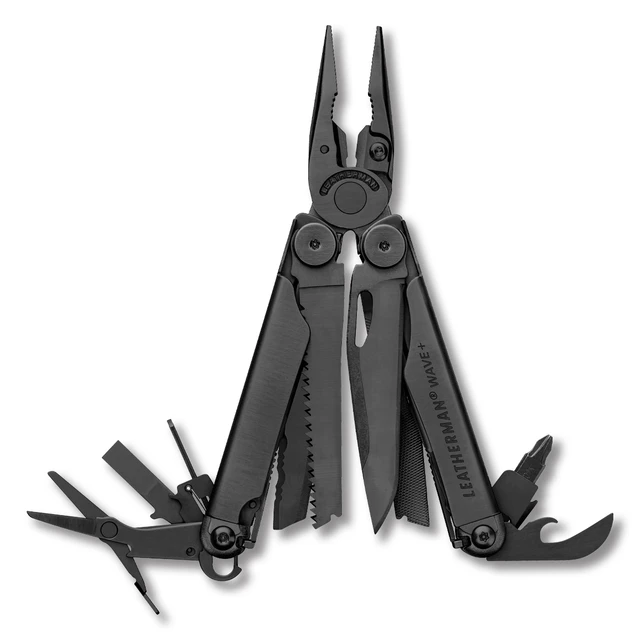
A good multi-tool replaces a drawer full of loose tools with one pocket-sized package — if you pick the right one. Learning how to choose a multi-tool starts with an honest look at what you will actually use it for, because the best model for a weekend camper is not the best one for an electrician or a daily commuter. This guide walks through the tools that matter, the size and weight trade-offs, locking mechanisms, and the carry rules that catch first-time buyers by surprise.
Quick answer: For most people, the best multi-tool is a full-size, pliers-based model with a locking blade, wire cutters, and a few screwdrivers, weighing under 9 ounces and closing to about 4 inches. Buy for the three or four tools you will use weekly, not the highest tool count — and make sure every blade locks open before you trust it with real work.
How to Choose a Multi-Tool for Your Main Use
Every multi-tool is a compromise between capability and bulk, so your main use should decide the size and the tool set. A model that is perfect on a job site can feel like a brick in a jeans pocket, and a featherweight keychain tool will frustrate you the first time you need real pliers.
Everyday carry. If the tool will live in your pocket, look for a compact or mid-size model under 6 ounces with 6 to 10 tools. The essentials are pliers, a blade you can open with one hand, and a couple of screwdrivers. Outside-accessible tools — ones you can open while the tool is still folded — matter more than a long tool list, because a tool you cannot reach quickly is a tool you will not use.
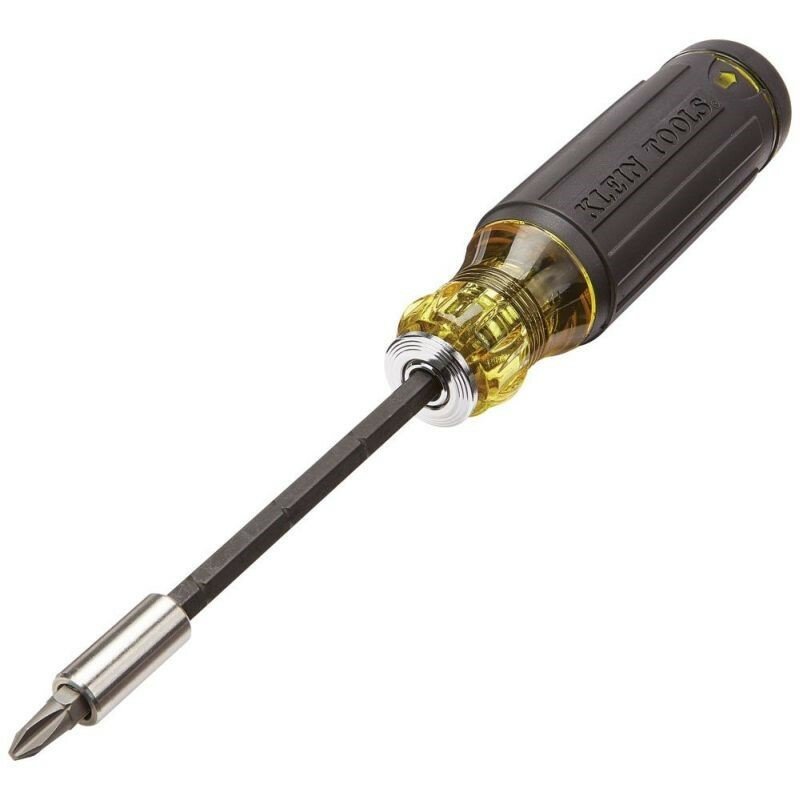
Work and trades. For job-site and repair work, a full-size pliers-based tool earns its weight. Electricians and technicians lean on wire cutters, wire strippers, and a bit driver that accepts standard bits, and they need handles that stay comfortable under torque. If most of your day is fasteners rather than cutting and gripping, a dedicated driver like the Klein 11-in-1 below may serve you better than a general-purpose multi-tool. For drilling and heavier jobs, pair it with a proper drill — see our guide to choosing the right cordless drill.
Outdoors and camping. Campers and hikers should prioritize a saw, a file, scissors, and a can opener alongside the usual pliers and blade. A wood saw turns a multi-tool into a real camp tool, and spring-action scissors are far more useful on the trail than a second knife blade.
Emergency kits. A multi-tool is one of the most useful things you can keep in a car glove box or a go-bag, covering everything from cutting a seatbelt to tightening a loose battery terminal. If you are building a kit, our guide to choosing a car emergency kit for winter covers what else belongs beside it — and a tire inflator is worth adding too, as our tire inflator guide explains.
The Tools That Actually Matter
Tool count is the number on the box, but it is a poor way to compare multi-tools. A model with 18 tools you never touch is worse than one with 10 tools you use every week. Judge a multi-tool by the quality of its core tools, not the length of its list.
Pliers and wire cutters
Pliers are the heart of most multi-tools and the tool owners reach for most. Look for needlenose jaws that close tightly with no wobble, and wire cutters that can handle household copper wire. On the best models the cutters are replaceable, so a nicked edge does not end the tool’s life — the Leatherman Wave’s replaceable carbide cutters are the classic example. Spring-loaded pliers reduce hand fatigue if you squeeze them all day.

The knife blade
A good blade is made from stainless steel — 420HC is the common standard, offering a fair balance of edge retention and rust resistance. A plain edge handles everyday cutting better than a serrated one, and outside-accessible, one-hand opening means you can deploy the blade while holding something with your other hand. Whatever else you buy, the blade should lock open. A non-locking blade can fold onto your fingers under pressure, and that is a risk no tool count is worth.
Screwdrivers and bit drivers
Most multi-tools include a Phillips and a flathead driver, but the useful ones go further. A large bit driver that accepts interchangeable bits turns one handle into a whole screwdriver set — handy when you meet Torx or square-recess screws on appliances and electronics. The Klein 11-in-1 takes the opposite approach: it is a dedicated driver, not a generalist, packing eight screwdriver tips and three nut-driver sizes into a single Cushion-Grip handle. If fasteners are your main job, that focus beats a drawer of separate drivers.
The rest of the toolkit
Scissors, a saw, a file, a can opener, a bottle opener, and a ruler fill out most full-size models. Each is worth having only if it matches your life: a saw for camping, a file for deburring metal and sharpening hooks, scissors for cord and packaging. Do not pay extra for a glass breaker, an awl, or a pry bar unless you have a specific job in mind for them.
How to Choose a Multi-Tool by Size and Weight
Size is the trade-off that decides whether a multi-tool gets carried or left at home. Full-size models typically measure 3.5 to 4.5 inches closed and weigh 6 to 10 ounces — the Leatherman Wave, for example, is 4 inches closed and weighs 8.5 ounces. That is substantial in a pocket but comfortable in a belt sheath or a tool bag.
Compact and keychain models weigh under 6 ounces and carry 6 to 10 tools. They disappear into a pocket and are ideal for everyday carry, but their pliers are smaller and their blades shorter, so they struggle with heavy work. Anything over 8 ounces becomes noticeable in a pocket over a full day, so be honest about how you will carry it before you buy.
Try the pocket test before committing: if the tool is too heavy or too thick to carry every day, you will leave it behind, and a multi-tool left at home helps no one. A belt sheath or a pocket clip solves the problem for many people, and most full-size models include one or the other.
Locking Mechanisms, Materials, and Build Quality
A secure lock is the single most important safety feature on a multi-tool. Look for models where every tool locks into place when open — liner locks, frame locks, and proprietary systems all work, but the lock must hold firmly under pressure. The Leatherman Wave locks every tool except the plier head, which is the standard to compare against.
Materials decide how long the tool lasts. Stainless steel bodies resist rust and take abuse; aluminum handles save weight but can feel less solid under heavy torque. Avoid plastic-bodied models for serious use — they flex, crack, and wear out at the pivots. Check that the pivots move smoothly without play, and that the tools snap open and closed cleanly.
Warranty is a useful signal of build quality. Leatherman backs the Wave with a 25-year warranty, which is part of why it costs more than no-name alternatives. A multi-tool is a buy-once item if you choose well, so a strong warranty usually pays for itself.
One warning matters for electrical work: the Klein 11-in-1 is not insulated and will not protect against electrical shock. Never use it — or any uninsulated tool — on live circuits.
Carry Rules and Mistakes to Avoid
Multi-tools come with rules that surprise first-time buyers. The TSA prohibits multi-tools with blades in carry-on luggage, so pack yours in checked baggage when you fly. Local laws vary too: some cities and countries restrict locking blades or blade length, so check the rules before you travel with one.
The most common mistakes are easy to avoid. Do not buy on tool count alone — a dozen tools you never use add weight and bulk for nothing. Do not ignore weight and closed length, since the best multi-tool is the one you actually carry. Do not buy a cheap no-name model with soft steel; a blade that will not hold an edge and pliers that wobble are worse than no tool at all. And do not forget the sheath or clip — a multi-tool rattling loose in a bag is a good way to lose it.
Our Picks
- Leatherman Wave 18-in-1 Multi-Tool Black — The do-everything pick: 18 locking tools, replaceable wire cutters, and one-hand opening in a 4-inch, 8.5-ounce package, backed by a 25-year warranty.
- Klein Tools 32500 11-in-1 Screwdriver/Nut Driver — The focused pick for fasteners: 11 screwdriver and nut-driver functions in one Cushion-Grip handle, built for job-site torque. Note that it is not insulated, so keep it away from live circuits.
Frequently Asked Questions
Can I carry a multi-tool on a plane?
No, not in your carry-on bag. The TSA prohibits multi-tools with blades in the cabin, so pack yours in checked luggage. Keychain tools without blades are sometimes allowed, but the rules change — check the current TSA list before you fly.
How many tools do I actually need?
Most people are well served by 8 to 12 well-chosen tools: pliers, wire cutters, a locking blade, a few screwdrivers, scissors, and a saw or file. More than that usually means tools you will never open, adding weight for no benefit.
Are multi-tools legal to carry?
It depends on where you live and travel. Most places allow them, but some cities and countries restrict locking blades or blade length. Check local laws before carrying one daily, especially when traveling abroad.
Should I buy a multi-tool or a dedicated screwdriver set?
It depends on the job. A full-size multi-tool like the Leatherman Wave covers cutting, gripping, and driving in one package, which is ideal for everyday carry and the outdoors. If most of your work is fasteners — electrical panels, appliances, furniture assembly — a dedicated driver like the Klein 11-in-1 gives you better torque and a more comfortable grip for the same job.
As an Amazon Associate I earn from qualifying purchases.