
A cordless drill is the first power tool most homeowners buy, and for good reason. Hanging shelves, assembling flat-pack furniture, mounting a TV, or fixing a wobbly deck rail — one tool handles nearly all of it.
But walk into any hardware aisle and you’re hit with a wall of voltages, torque ratings, and battery platforms that all sound important and mean very little until someone explains them. If you’re learning how to choose a cordless drill, this guide breaks down exactly what matters, what doesn’t, and how to match the tool to your actual projects.
The short answer: for most homeowners, an 18V (or 20V MAX) drill/driver with a 1/2-inch chuck, a two-speed gearbox, and at least a 15-position clutch is the sweet spot. It has enough power for wood, drywall, and light metal work without the weight and cost of pro-grade gear. Buy a kit with two batteries and a charger, and stay inside a battery platform you can grow into.
How to Choose a Cordless Drill: Start with Voltage
Voltage is the headline number on every drill box, and it roughly tells you how much power the tool can deliver. But bigger isn’t automatically better — it also means more weight, and weight is what your arm feels after twenty minutes of overhead work.
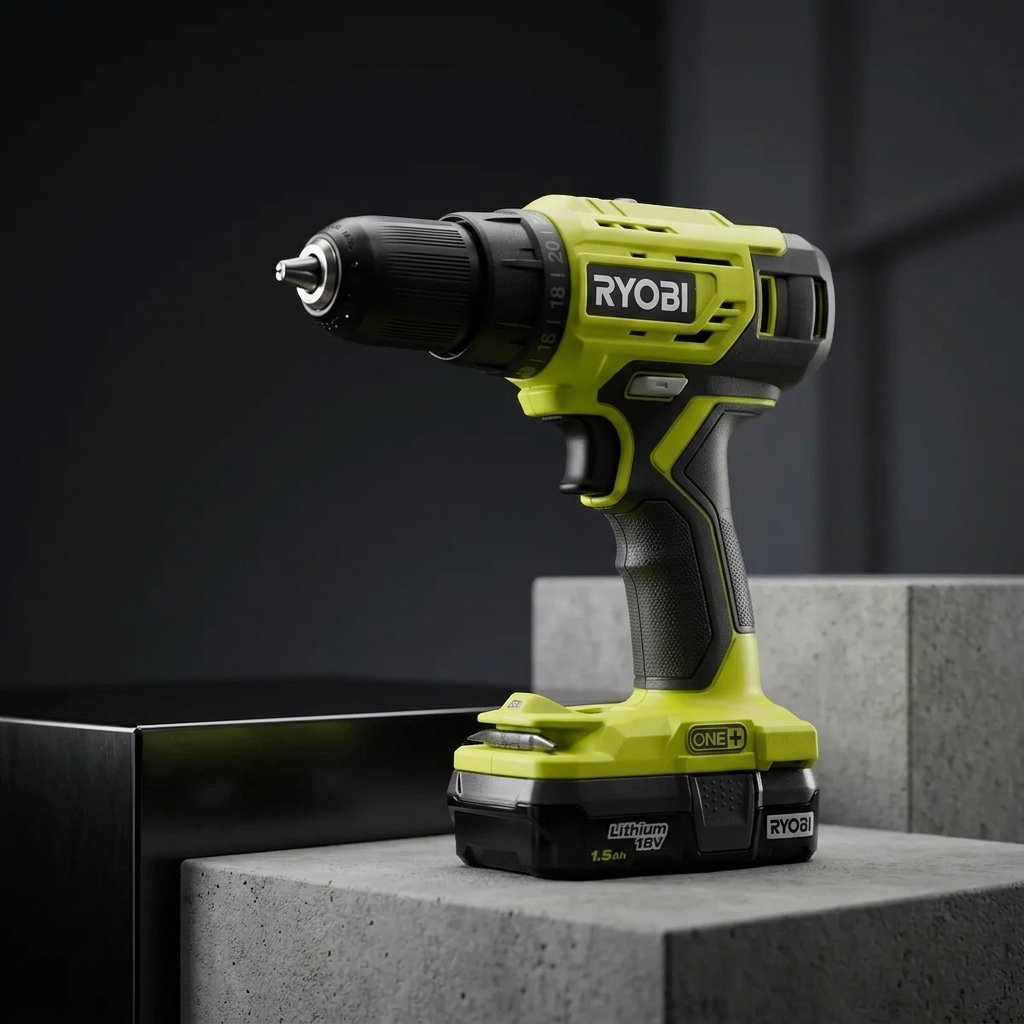
12V drills: light and nimble
Best for assembling furniture, driving small screws, hanging pictures, and drilling pilot holes in softwood. Compact models often weigh under 2.5 pounds and are easy to store. Their limit shows up fast with large bits, hardwoods, and long screws — if your project list goes beyond light assembly, you’ll outgrow one quickly.
18V / 20V drills: the sweet spot for most people
This is where most homeowners should land. An 18V-class drill drives deck screws, bores 1-inch spade-bit holes, drills into studs, and handles light metal work without breaking a sweat. One naming quirk to know: DeWalt’s ’20V MAX’ and most other brands’ ’18V’ describe the same nominal voltage class — the numbers just measure maximum vs. nominal voltage. Don’t pay extra thinking 20V is a whole step up.
Higher-voltage systems: usually overkill
40V and 60V platforms are built for outdoor equipment and heavy construction. For a general-purpose drill you’ll use around the house, skip them.
How to Choose a Cordless Drill by Chuck, Clutch, and Speed
These three specs affect daily use more than any voltage marketing:
- Chuck size: a 1/2-inch chuck accepts larger bits like hole saws and spade bits; a 3/8-inch chuck is fine for basic screwdriving and small holes. Metal ratcheting chucks grip bits more securely than plastic ones.
- Clutch: the numbered ring behind the chuck limits torque so you don’t strip screw heads or sink fasteners too deep. Look for 15 or more settings — more granularity means better control on delicate work like assembling furniture.
- Two-speed gearbox: low gear (around 0–450 RPM) for driving screws with control, high gear (0–1,500 RPM and up) for drilling holes. A single-speed drill is a false economy.
- Torque ratings: shown in inch-pounds (in-lbs) or DeWalt’s ‘unit watts out’ (UWO). For typical home use, anything around 300+ UWO or roughly 450+ in-lbs is plenty.
- Extras that earn their keep: a built-in LED work light for dark cabinets, a belt hook, and an on-board bit holder.
Buy Into a Battery Platform, Not Just a Drill
The battery is the real purchase. A kit’s battery snaps into every other tool on the same platform — saws, sanders, inflators, lights — so your first drill brand tends to become your whole workshop brand.
- Amp-hours (Ah): a bigger Ah rating means longer runtime. Compact 1.3–1.5Ah batteries keep the drill light; 4–5Ah packs last much longer but add weight. Two batteries beat one big battery: one charges while you work.
- Always buy the kit: a drill plus two batteries and a charger costs far less than buying the pieces separately. ‘Bare tool’ listings assume you already own batteries, which first-time buyers don’t.
- Stick with lithium-ion: it’s the standard now — lighter than older chemistries, no memory effect, and it holds a charge for months on the shelf.
Match the Drill to Your Real Projects
Before comparing models, list what you’ll actually do:
- Hanging shelves and curtains in drywall: any 12V-or-better drill, low gear, clutch set mid-range.
- Assembling flat-pack furniture: low torque and a low clutch setting to avoid camming out screw heads.
- Building a deck or fence: 18V/20V class with a high-capacity battery; consider adding an impact driver for 3-inch screws.
- Mounting a TV on studs: 18V/20V drill, sharp brad-point or twist bits, and pilot holes first.
- Drilling thin metal: slow speed, a center punch to start the hole, and cutting oil to protect the bit.
Motor Type, Weight, and When You Need a Hammer Drill
- Brushless vs. brushed: brushless motors run cooler, squeeze more runtime from each charge, and last longer. Brushed drills cost less and are perfectly fine for occasional DIY — don’t overspend if you’ll use the drill monthly rather than daily.
- Weight and balance: aim for 3–4 pounds with the battery installed. A well-balanced drill fatigues you less than a lighter one that’s nose-heavy.
- Do you need a hammer drill? Only if you’re drilling into brick, block, or concrete for anchors. The hammering action makes masonry drilling dramatically faster. If your projects are all wood, drywall, and metal, skip it — a standard drill/driver is lighter and cheaper.
- Drill/driver vs. impact driver: an impact driver is the drill’s cousin, built purely for driving fasteners with concussive rotational blows. Many kits bundle both. For a first purchase, the drill/driver alone is more versatile; add an impact driver when you start driving lots of long screws.
Our Picks: Two Cordless Drills Worth a Look
These are real products we’ve covered on RealTruePick — tap through for full details:
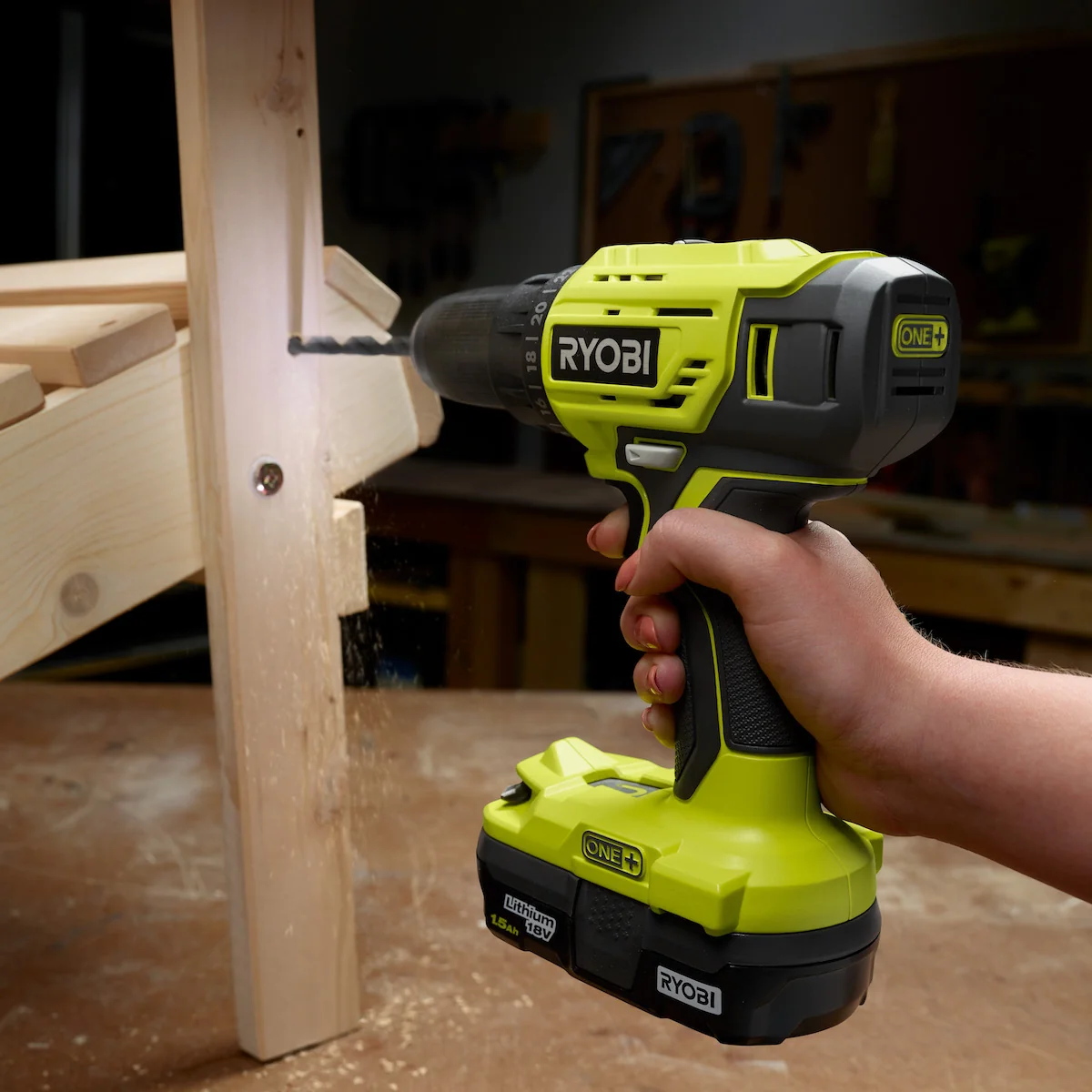
- DEWALT 20V MAX Cordless Drill/Driver Kit (DCD771C2) — the long-running homeowner favorite: 1/2-inch chuck, two speeds, two batteries and a contractor bag in the box.
- RYOBI 18V ONE+ Drill/Driver Kit (P215K) — the ecosystem play: 24-position clutch, and access to the enormous ONE+ lineup of 18V tools that share one battery.
Cordless Drill FAQ
Can I use a 20V battery in an 18V tool, or vice versa?
No. Within one brand’s system, stick to that platform’s batteries — mounts and electronics differ. And remember that DeWalt’s ’20V MAX’ tools are the same voltage class as other brands’ ’18V’ tools, so don’t mix brands expecting compatibility.
What’s the difference between a drill/driver and an impact driver?
A drill/driver drills holes and drives screws with adjustable speed and a clutch. An impact driver only drives fasteners, using rotational impacts for much higher torque — great for long screws and lag bolts, but it can’t accept standard round-shank drill bits.
How long do cordless drill batteries last?
A lithium-ion pack typically stays useful for 3–5 years of homeowner use and hundreds of charge cycles. Store batteries at room temperature at a partial charge and they’ll age more gracefully.
Do I need a corded drill instead?
For most people, no. Modern 18V/20V cordless drills match or beat old corded drills for home tasks, with none of the cord hassle. Corded still wins for all-day production drilling, which most homeowners never do.
As an Amazon Associate I earn from qualifying purchases.