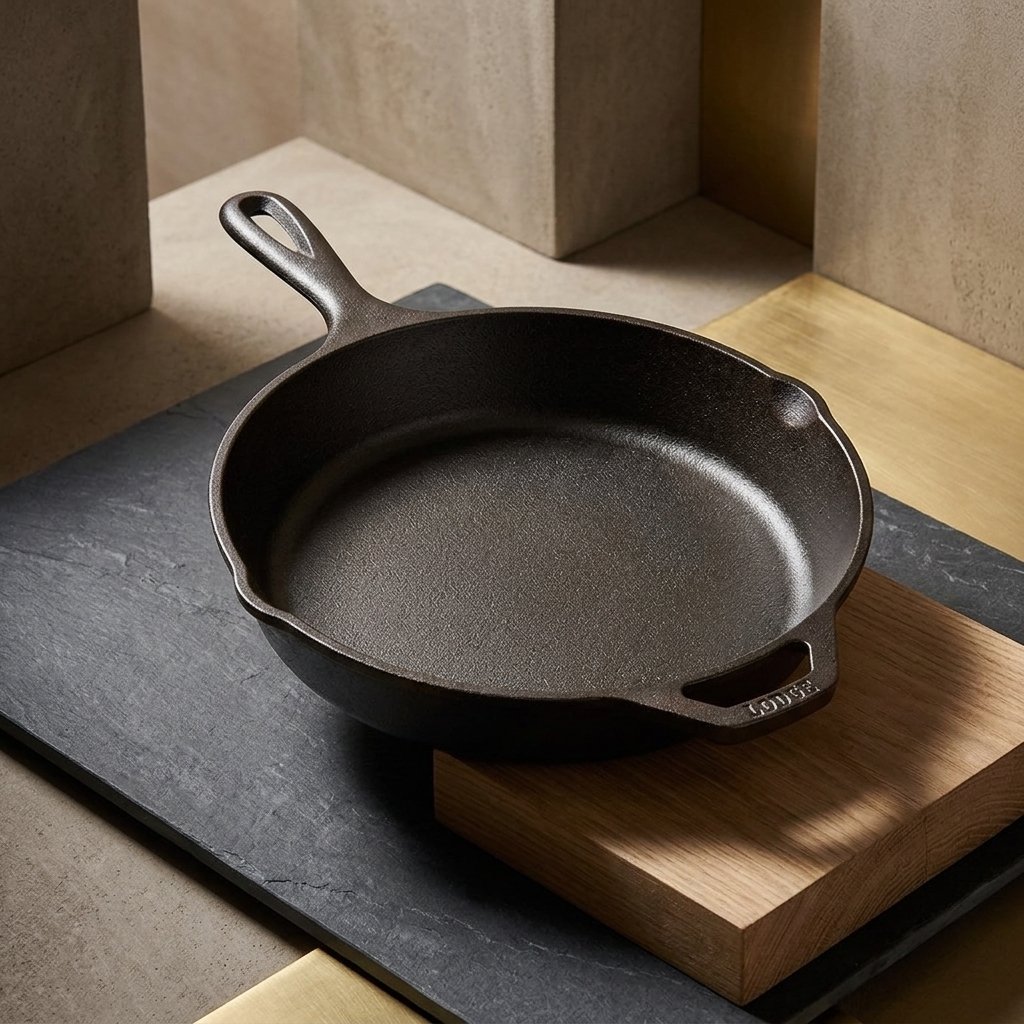
A cast iron skillet is one of the few kitchen tools that can genuinely last a lifetime — and it often gets better the more you use it. It sears steaks, bakes cornbread, fries chicken, and moves from stovetop to oven without a second thought. But not every skillet suits every cook: size, weight, seasoning, and finish all change how a pan feels in daily use. This guide explains how to choose a cast iron skillet you will actually reach for, whether it is your first pan or an upgrade to a better one.
Quick answer: For most home cooks, the best first cast iron skillet is a pre-seasoned 10.25-inch model: big enough for two to four servings, light enough to lift with one hand, and ready to cook with straight out of the box. Choose a larger 12-inch skillet only if you regularly cook for a family, and pick enameled cast iron if you mostly braise and simmer acidic dishes like tomato sauce. Whatever you buy, check the weight before you commit — a skillet you cannot lift comfortably is a skillet you will not use.
1. Size: How to Choose a Cast Iron Skillet That Fits Your Cooking
Size is the first decision, and it is the one most people get wrong. A skillet that is too small crowds food, so ingredients steam instead of searing. A skillet that is too big is heavy, slow to heat, and may not fit your oven.
- 8-inch: Best for one person or small jobs — frying an egg or two, toasting spices, or baking a single-serving cornbread. It is light and easy to store, but too small as an only skillet.
- 10 to 10.25-inch: The everyday sweet spot for most households. It fits two steaks or four eggs, covers two to four servings, and sits comfortably on a standard burner and inside a standard oven. If you buy just one skillet, buy this size.
- 12-inch and larger: The right pick for families and batch cooking — several chicken pieces, a full family breakfast, or a big pan of roasted vegetables. Before you buy, measure your oven: the handle adds several inches, and a 12-inch skillet can be a tight fit in a smaller oven.
One detail that trips up first-time buyers: the listed diameter is measured across the top rim, while the cooking surface is smaller. A skillet listed at 11⅝ inches across the top may offer only about 9¾ inches of flat cooking surface. When in doubt, size up rather than down — you can always cook a small meal in a big pan, but you cannot cook a big meal in a small one.
Match the skillet to your stove
Cast iron works on gas, electric, induction, and glass-top stoves. On a glass top, choose a pan with a flat base that sits without wobbling, and lift it rather than sliding it across the glass. On induction, any cast iron skillet works, since the iron itself is magnetic.
2. Weight and Handles: Lift Before You Buy
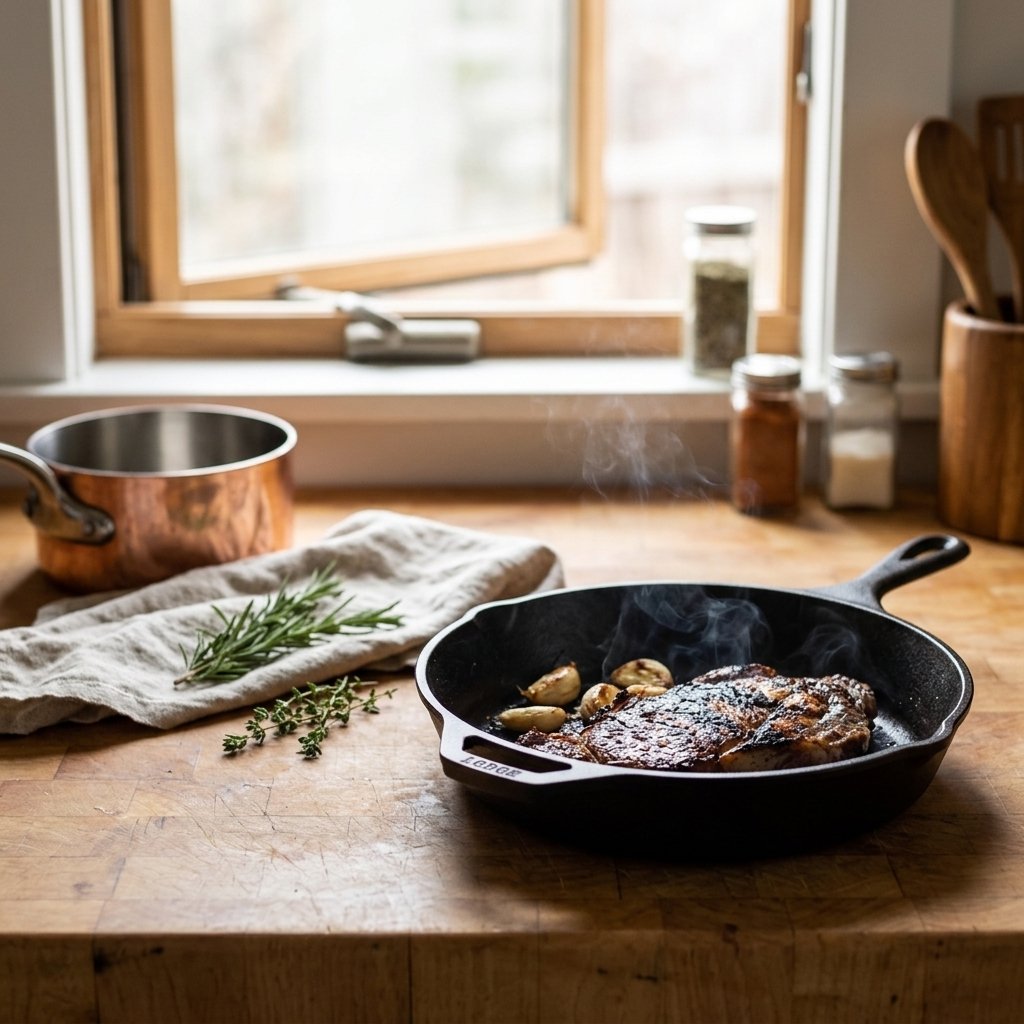
Cast iron is heavy by design, and that weight is the trade-off for its famous heat retention. A heavy pan holds heat steadily, so food sears instead of cooling the surface on contact. But weight is also the most common complaint owners have about their skillets, so take it seriously.
- A classic 10.25-inch Lodge skillet weighs about 5.7 pounds empty — and 6 to 8 pounds once it is loaded with food.
- A 12-inch skillet typically weighs 7 to 9 pounds, which is a real difference when you are pouring hot food with one hand.
- Larger skillets often include an assist or helper handle opposite the main handle, giving you a second grip point. Look for one if you are buying 12 inches or larger.
Before buying, check the listed product weight and picture yourself lifting the pan full of hot food from stove to table. If you have wrist or mobility issues, be honest with yourself: a lighter carbon-steel pan will serve you better day to day than a cast iron skillet you avoid using. A long main handle also matters — it should feel balanced, stay cool enough to hold with a mitt, and ideally have a hole for hanging.
3. Seasoning: Pre-Seasoned vs. Bare Iron
Seasoning is what makes cast iron nonstick. It is a thin layer of oil that has been heated until it bonds to the iron — a process called polymerization. A well-seasoned skillet develops a naturally slick surface that improves with every meal you cook in it.
- Pre-seasoned: The manufacturer has already baked on a starting layer of seasoning, so the pan is ready to cook with out of the box. This is the right choice for almost every beginner. Treat that factory layer as a beginning, not a finished nonstick coating — it gets better the more you cook.
- Bare or unseasoned: Rare today, and only worth considering if you want full control over the seasoning from day one. Expect hours of oiling and baking before the first real meal.
How you cook matters more than which brand you buy. Preheat the pan properly, use enough fat, and let the seasoning build over time. Hold off on long, acidic cooks — tomatoes, wine, vinegar — until the seasoning is well established, since acid can strip a young seasoning layer and leave a metallic taste. Surface texture is a secondary choice: traditional skillets have a slightly rough, pebbled texture, while premium machined pans feel smoother. A smooth surface feels slicker at first, but regular cooking closes the gap — technique beats texture in the long run.
How to keep seasoning in good shape
After cooking, clean the pan, dry it fully, and wipe on a very thin layer of oil while it is still warm. Thin is the key word: too much oil leaves a sticky residue instead of a hard, slick layer. If the surface ever looks dry or dull, that thin wipe is all it needs.
4. Bare vs. Enameled Cast Iron Skillet: Which Finish Wins?
Bare and enameled cast iron start from the same material but behave like different cookware. The right choice depends on what you cook most.
- Bare cast iron is the searing specialist. You can heat it dry over high heat, drop in a cold steak, and get a deep brown crust. It tolerates any oven temperature, shrugs off metal utensils, and is nearly impossible to ruin — rust and dull seasoning can both be fixed with a scrub and a re-season. Its price is ongoing care: it needs seasoning, it must be dried immediately, and it reacts with acidic foods until the seasoning is mature.
- Enameled cast iron has a porcelain coating fired onto the iron, so it never needs seasoning and never reacts with acid. Tomato sauce, wine braises, and long simmers are its home turf, and cleanup is simple soap and water. The trade-offs are real, though: enamel can chip if the pan is dropped or banged, it should not be heated empty on a burner, and most pieces carry a temperature limit around 500°F. It also heats a little more slowly than bare iron.
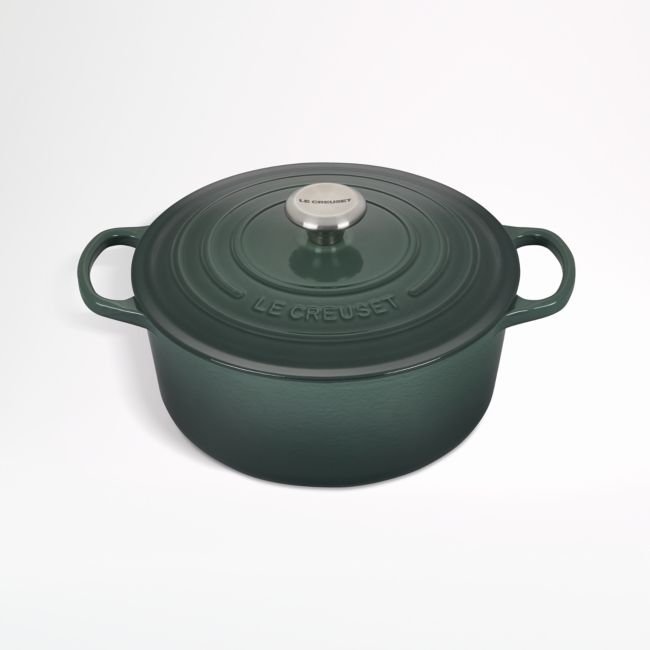
The simple rule: if you mostly sear, fry, and bake, buy bare cast iron. If you mostly braise, stew, and simmer acidic dishes, buy enameled. Many cooks eventually own one of each — a bare skillet for the stovetop and an enameled pot for the oven.
5. Care and Cleaning: Keep Your Cast Iron Skillet for Decades
Cast iron has a reputation for fussy care, but the routine is short once it becomes habit. The single rule that matters most: never leave it wet.
- Clean while it is still warm. Hot water and a stiff brush or chain-mail scrubber handle most messes. A small amount of mild dish soap is fine on a well-seasoned pan — the old “never use soap” rule dates from harsh lye-based soaps. Rinse, then dry immediately.
- Dry on heat, not on the rack. Set the pan on a low burner for a minute or two until the water evaporates, then wipe a very thin layer of oil over the cooking surface while it is warm.
- Skip the dishwasher and long soaks. Dishwasher detergent strips seasoning, and soaking invites rust. Bare iron and dishwashers do not mix.
- Fix rust instead of fearing it. If rust appears, scrub it off, dry the pan completely, and re-season: wipe a thin layer of high-smoke-point oil over the surface and bake it upside down in the oven for about an hour. A rusty skillet is a salvageable skillet.
- Store it dry. Keep the pan in a dry place, and slip a paper towel between stacked pans to protect the seasoning.
Follow those five habits and a cast iron skillet can outlast every other pan in your kitchen — many are handed down across generations. That longevity is the real value of cast iron: you buy it once, and it pays you back for decades.
Our Picks
- Lodge Seasoned Cast Iron Skillet — 10.25 Inch, Pre-Seasoned: The classic first skillet — pre-seasoned, the right size for most households, and proven in millions of kitchens.
- Le Creuset Signature Round Dutch Oven — 5.5 Qt Enameled Cast Iron (Artichaut): The enameled companion for braises, stews, and tomato sauces — no seasoning needed, and it goes from stovetop to oven to table.
FAQ
Can I wash a cast iron skillet with soap?
Yes. A small amount of mild dish soap is fine on a well-seasoned pan. Rinse it off, dry the pan immediately on low heat, and wipe on a thin layer of oil. The old no-soap rule comes from an era of harsh lye soaps that really would strip seasoning.
What size cast iron skillet is best for a family of four?
A 12-inch skillet is the best fit for regular family cooking, with room for several portions at once. A 10.25-inch skillet works if you usually cook in smaller batches. Either way, check the weight and make sure it fits your oven with the handle included.
Can I use a cast iron skillet on induction or a glass-top stove?
Yes. Cast iron works on gas, electric, induction, and glass-top stoves. On a glass top, pick a flat-bottomed pan and lift it instead of sliding it, so you do not scratch the surface.
How long does a cast iron skillet last?
Decades — often generations — with basic care. Rust, dull seasoning, and stuck-on food are all fixable, and bare iron is almost impossible to wear out. That durability is why a cast iron skillet is one of the best value purchases in a kitchen.
As an Amazon Associate I earn from qualifying purchases.