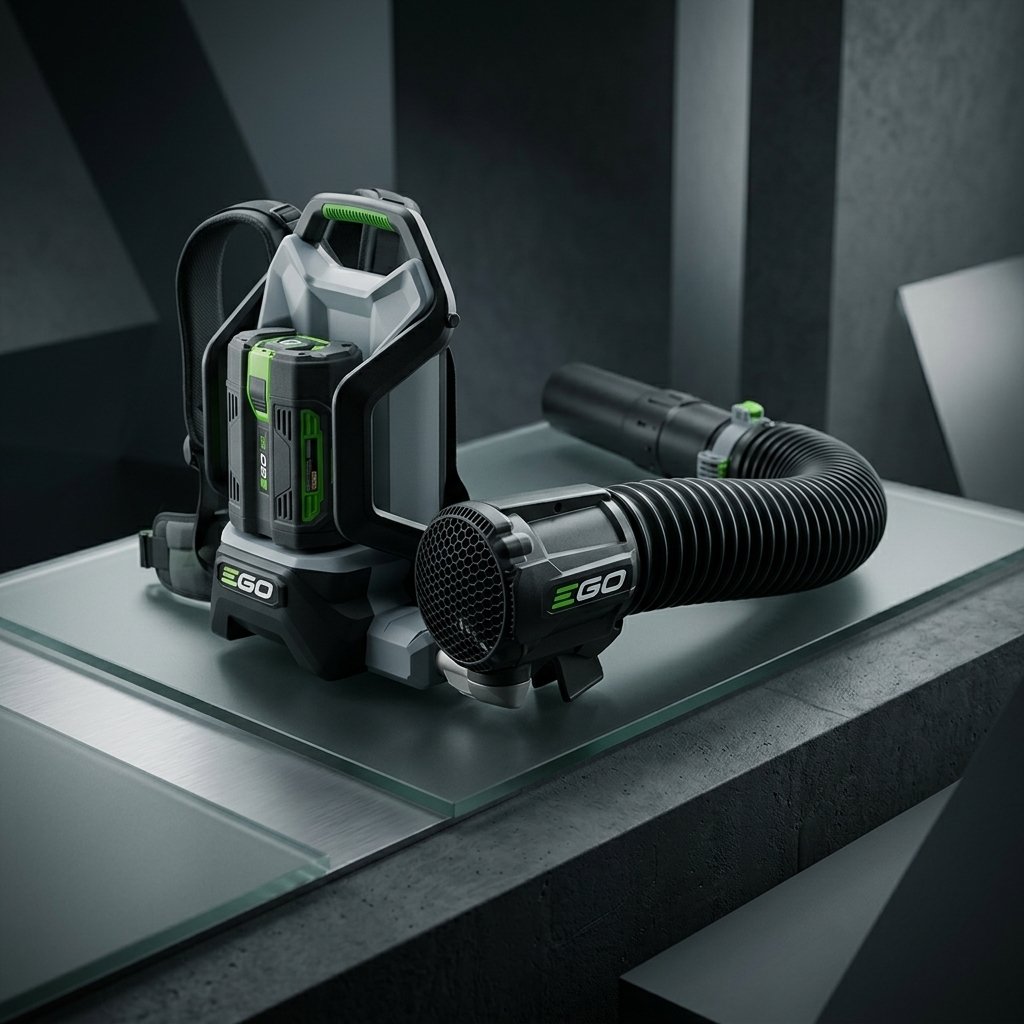
Every fall, the same ritual: leaves bury the driveway, the gutters threaten to overflow, and the rake starts looking like an instrument of punishment. A leaf blower turns a weekend of raking into a 30-minute job. But walk into any hardware store or open any shopping site and you will face a wall of CFM numbers, voltages, and “gas-equivalent” claims. Learning how to choose a leaf blower that actually fits your yard saves money, time, and sore muscles.
QUICK ANSWER: For most suburban yards, a battery-powered blower with 400–600 CFM and at least 120 MPH of air speed is the sweet spot: quiet, low-maintenance, and strong enough for dry and damp leaves. Lots over half an acre justify a backpack model, and gas only makes sense where noise rules allow and you genuinely need maximum power.
Understand the Two Numbers That Matter: CFM and MPH
Every blower is rated in CFM (cubic feet per minute) and MPH (miles per hour). They measure different things, and you need both.
- CFM is air volume. This is the number that moves a big pile of leaves. High CFM pushes a wide swath of debris at once, which is the difference between herding leaves and chasing them.
- MPH is air speed. This is the number that lifts wet, matted leaves and blasts stuck debris off a driveway. Speed cuts through resistance.
A common rookie mistake is buying on MPH alone because it looks like the bigger number. For heavy, wet leaf piles, high CFM matters more. For blasting debris off hard surfaces, high MPH helps. A good residential target is at least 450 CFM and 120 MPH. As a rough scale, small yards can get by with 150–400 CFM, while most suburban lots are best served in the 400–700 CFM range.
Pick Your Power Source: Battery, Gas, or Corded
This is the single biggest decision, and it affects price, noise, maintenance, and where you are allowed to use the blower.
Battery (cordless) — the pick for most people
Battery blowers are the fastest-growing category for a reason: no fumes, no fuel mixing, no pull cord, and modern 56V to 80V models reach 600 CFM or more, performance that once required gas. They run 20 to 60 minutes per charge depending on the power setting, operate around 56 to 65 dB, and start with a trigger squeeze. The trade-off is runtime: turbo mode can drain a battery in about 10 minutes on some models, so big yards call for a spare battery.
Gas — maximum power, maximum upkeep
Gas handhelds (350–500 CFM) and gas backpacks (500–770 CFM) still dominate the extreme end: commercial-grade gas backpacks push 900 CFM or more for clearing wet, matted debris all day. But they roar at 70 to 80 dB, need 2-cycle fuel-oil mixing and annual carburetor service, and emit exhaust. Crucially, California and a growing list of US cities and HOAs restrict or ban gas-powered blowers, so check local rules before buying gas.
Corded electric — the budget option
Corded models (200–350 CFM) are cheap, light, and always ready, with unlimited runtime. The catch is the extension cord: you are limited to about a 100-foot radius from the nearest outlet. Fine for small patios, decks, and townhouse yards, frustrating everywhere else.
A quick comparison:
- Corded electric: 200–350 CFM, 130–180 MPH, about 60–68 dB, unlimited runtime, minimal maintenance
- Battery handheld: 300–600 CFM, 120–200 MPH, about 56–65 dB, 20–60 minutes runtime, low maintenance
- Gas handheld: 350–500 CFM, 150–190 MPH, about 70–75 dB, 60–90 minutes per tank, moderate maintenance
- Gas backpack: 500–770 CFM, 170–240 MPH, about 75–80 dB, 60–120 minutes per tank, moderate maintenance
Match the Blower to Your Yard Size
Small lots and patios (under 1/4 acre)
A handheld cordless blower in the 200–400 CFM range is plenty. Light weight matters more than raw power here, because you will finish in 15 minutes and put it away.
Typical suburban lots (1/4 to 1/2 acre)
This is the sweet spot for a strong handheld battery blower: 400–600 CFM with a turbo mode for wet patches. Look for variable speed so you are not blasting mulch out of the flower beds at full power.
Large properties (1/2 acre and up)
Step up to a backpack blower. Strapping the weight to your shoulders instead of your arms makes a 30 to 45 minute session comfortable, and backpack models sit at the top of the power range. If your lot is heavily treed, a backpack is worth it even under half an acre.
Batteries, Runtime, and Comfort Details That Matter
Pick a battery platform, not just a blower
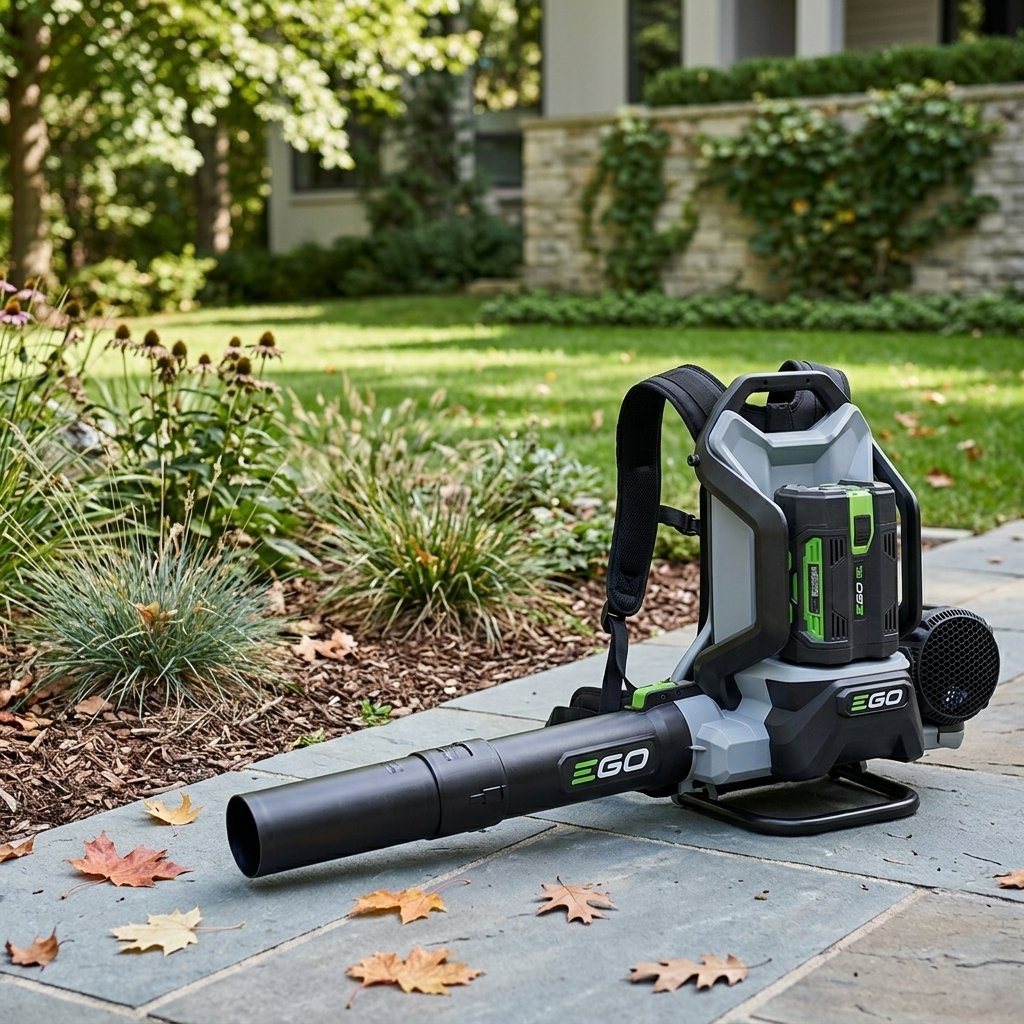
Here is a detail that trips up first-time buyers: every brand’s batteries only fit its own tools. If you already own tools from a brand like EGO, Greenworks, DEWALT, or Milwaukee, buying the blower on the same platform saves real money. If you do not, choose the platform with an eye on future tools like mowers and trimmers, not just this one purchase. Our guide to choosing a cordless drill covers the same battery-platform thinking.
Read the amp-hours, not just the volts
Voltage gets the marketing spotlight, but amp-hours (Ah) decide runtime. A 2.5Ah battery might give you 20 to 30 minutes of real work, while a 5.0Ah or 7.5Ah pack can stretch to an hour or more on low speed. Aim for 4.0Ah or higher for practical runtime, and check whether the kit actually includes the battery. Some listings show attractive “tool only” prices with the battery and charger sold separately.
Comfort features worth paying for
- Backpack vs handheld: backpacks win on long sessions, handhelds win on quick jobs.
- Variable speed plus cruise control: dial power down for delicate beds, lock it for long passes without finger fatigue.
- Turbo button: short bursts of maximum power for wet, matted spots.
- Adjustable tube length: keeps the nozzle at the right height for your stride.
- Weight: compare tool weight with the battery installed, because that is the number your arms actually feel.
Check Noise Rules Before You Buy
Leaf blowers are one of the most noise-complained-about tools in suburbia. Battery models run roughly 56 to 65 dB, while gas backpacks hit 75 to 80 dB and carry much farther. Beyond courtesy, there are real restrictions: California has phased out new gas-powered small off-road engines, and many cities and HOAs set decibel limits or time windows for blower use. A quieter battery blower does not just please the neighbors, it keeps you legal.
Our Picks
- EGO Power+ 600 CFM Backpack Blower (LB6003): The big-yard answer. 600 CFM and 145 MPH from a 56V ARC Lithium battery, up to 180 minutes of runtime with the included 7.5Ah pack, variable speed from 260 to 600 CFM plus a turbo button, and just 64 dB, dramatically quieter than comparable gas backpacks. Backed by a five-year warranty.
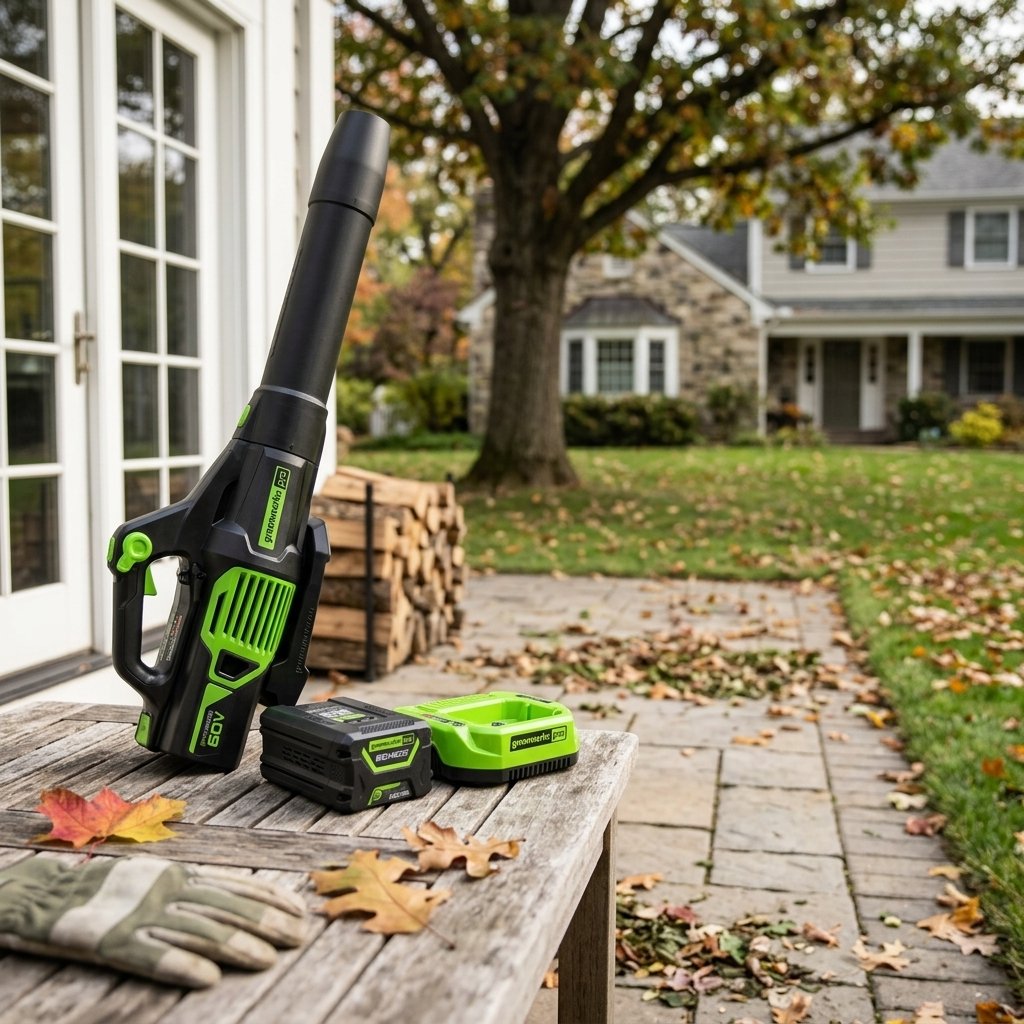
- Greenworks 60V 610 CFM Cordless Leaf Blower: The handheld sweet spot. 610 CFM and 130 MPH with Jet Fan technology, cruise control and turbo mode, up to 50 minutes of runtime on the included 2.5Ah battery, and a four-year warranty. It shares batteries with more than 75 Greenworks 60V tools.
Leaf Blower FAQ
How much CFM do I need for a leaf blower?
For most suburban yards, 400 to 700 CFM is the practical range, and small lots and patios can manage with 150 to 400 CFM. Pair it with at least 120 MPH of air speed so wet leaves actually lift. If you regularly clear wet, matted piles, lean toward the top of the range.
Are battery leaf blowers as good as gas?
For most homeowners, yes. Premium battery blowers now match or beat the gas handhelds most people bought a decade ago, with far less noise and zero fuel maintenance. Gas still wins on all-day runtime and absolute peak power for commercial crews, but for a residential lot, a 60V-class battery blower closes the gap.
Can I use a leaf blower on wet leaves?
Yes, but it takes more power. Use turbo mode or the highest setting, blow with the wind, and work in passes rather than trying to move a whole soggy pile at once. High CFM matters more than high MPH for wet leaves.
What time of day can I use a leaf blower?
Many cities restrict blower hours, commonly 8 or 9 AM to 5 to 8 PM, and some HOAs ban them entirely during quiet hours. A quieter battery model gives you more flexibility, but check your local ordinance and HOA rules first.
As an Amazon Associate I earn from qualifying purchases.