Learning how to choose headphones shouldn’t require an engineering degree — but with earbuds, over-ears, noise cancelling, drivers, codecs, and battery claims flying at you, shopping for a new pair can feel overwhelming. This guide breaks down everything that actually matters in plain English: which style fits your life, whether you really need noise cancelling, what the sound specs actually mean, how to get a comfortable fit, and which extras are worth paying for. By the end, you’ll know exactly what to look for before spending a cent.
How to Choose Headphones: Earbuds vs. Over-Ear — Pick Your Form First
Before comparing specs, decide which style fits your daily routine:
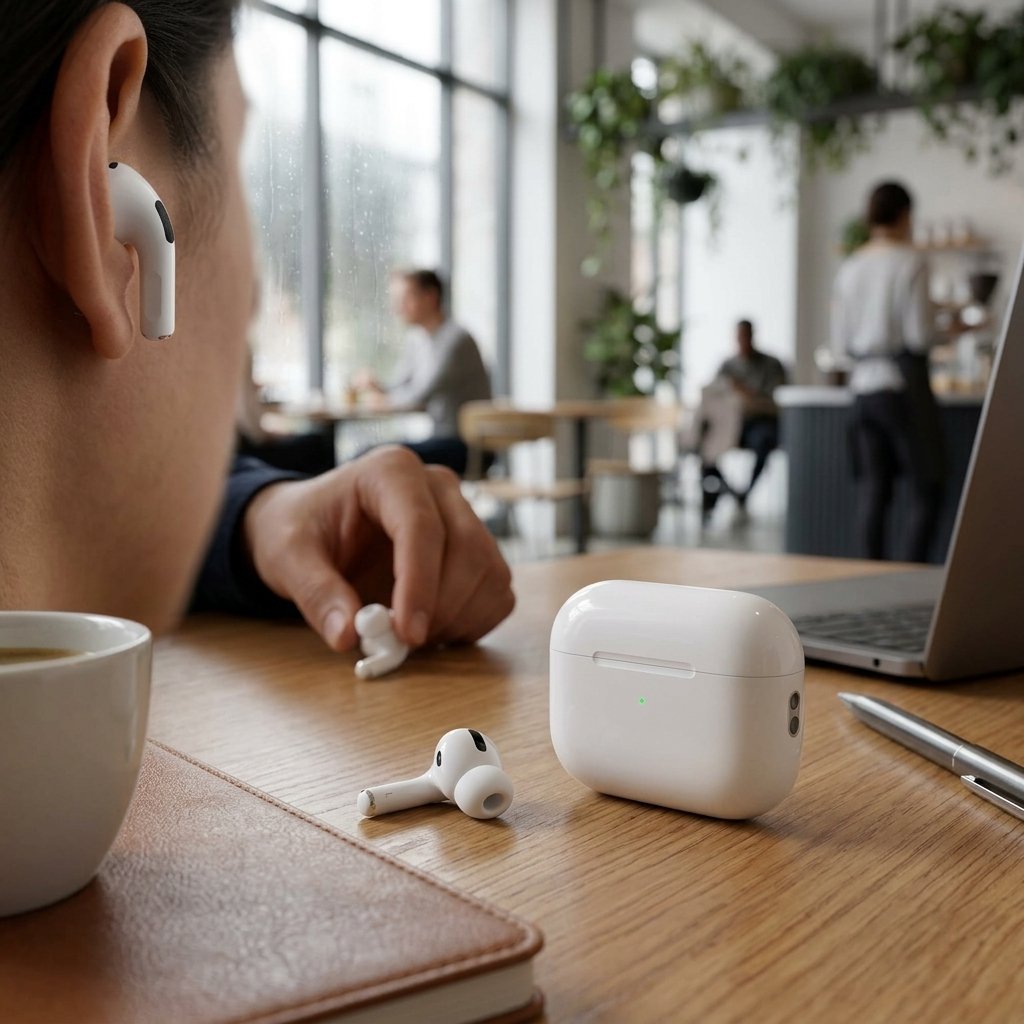
- True wireless earbuds — tiny, pocketable, and ideal for commuting, workouts, and calls. The best choice if you hate bulk.
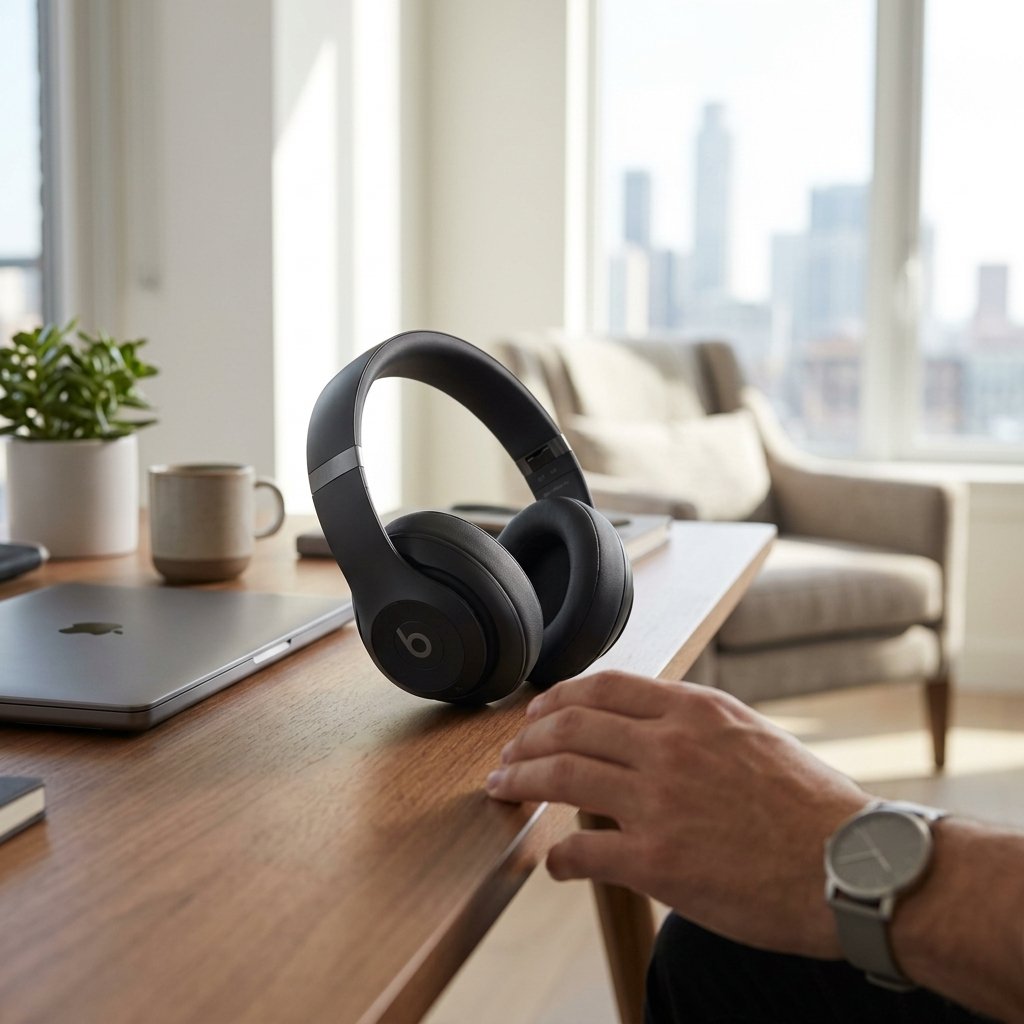
- Over-ear headphones — cushioned cups that surround your ears. Bigger soundstage, longer battery life, and the most comfortable option for long sessions — but bulkier to carry.
- On-ear and neckband styles — a lighter middle ground, though true wireless has largely taken over.
Practical tip: frequent flyers and office workers usually do best with over-ears, while runners and gym-goers should stick with sweat-resistant earbuds.
Do You Actually Need Noise Cancelling?
Active noise cancelling (ANC) uses microphones to erase background hum — airplane engines, air conditioners, office chatter. For commuters and frequent flyers, it’s genuinely life-changing. But ANC adds cost and drains the battery faster, and if you mostly listen at home or in quiet rooms, you’ll get better sound for the same money by skipping it.
What to check: look for adjustable ANC levels and a good transparency mode, which lets outside sound back in when you need awareness — crossing streets, hearing airport announcements, or chatting with a barista.
Sound Quality: What the Specs Really Mean When You Choose Headphones
Spec sheets can be misleading. Here’s what actually matters:
- Driver size — bigger isn’t automatically better; tuning matters far more than millimeters.
- Codecs (SBC, AAC, LDAC, aptX) — higher-quality codecs like LDAC and aptX Lossless preserve more detail, especially on Android. iPhone users get AAC, which sounds perfectly good.
- Frequency response numbers — ignore the figures on the box and read a review with real measurements instead.
- EQ and app support — a good companion app with custom EQ can rescue a mediocre factory tuning.
Golden rule: no spec beats a listening test. Buy from a retailer with a solid return policy and trust your own ears.
Comfort and Fit Matter More Than You Think
The best-sounding headphones in the world are useless if they hurt after 30 minutes. For earbuds, try every tip size in the box — a proper seal is what delivers bass and blocks outside noise. For over-ears, check the clamping force and ear-cup depth, and if you wear glasses, pay extra attention to the padding. Weight matters too: anything over about 300 grams can feel heavy on long calls.
Battery Life and Extras Worth Paying For
- Battery life — aim for at least 6–8 hours per charge for earbuds (plus 20+ hours from the case); over-ears should reach 30+ hours.
- Multipoint pairing — connects to your laptop and phone at the same time. Hugely underrated.
- Water and sweat resistance (IPX4 or better) — essential if you exercise with them.
- Wireless charging — nice for earbud cases, but not a dealbreaker.
- Replaceable parts and warranty — ear tips and cables wear out; check that replacements are easy to find.

Our Picks
After testing the current lineup, these are the three headphones we’d recommend to most people:
- Best all-around earbuds: Apple AirPods Pro 3 — superb noise cancelling, excellent transparency mode, and seamless iPhone integration.
- Best over-ear headphones: Beats Studio Pro — punchy, fun sound with strong ANC and all-day comfort.
- Best budget earbuds: JBL Tune Buds — impressive noise cancelling and big bass-heavy sound for the price.
As an Amazon Associate I earn from qualifying purchases.