A good tumbler is the kind of everyday upgrade you notice on day one. Your coffee is still hot at 10 AM, your water is still ice-cold at 4 PM, and your desk, car, and bag stay dry because nothing sweats or spills. But learning how to choose an insulated tumbler takes more than grabbing the most popular option on the shelf: insulation quality, lid design, size, and materials all change how a tumbler actually performs. This guide breaks down what genuinely matters, so you can buy one tumbler you will use for years instead of a drawer full of disappointments.
Quick answer: Buy a double-wall vacuum-insulated tumbler made from 18/8 stainless steel, in a size that matches your routine — 20 oz for a daily coffee, 30–40 oz if you want to refill once and forget about it. Pick the lid for how you drink: a sliding or straw lid for desk use, a screw-on sealed lid if the tumbler rides in a bag. Check that the parts are dishwasher-safe and that the tumbler fits your car cupholder.
How to Choose an Insulated Tumbler: Start with the Insulation
Insulation is the one feature that separates a great tumbler from a fancy cup. Almost every high-performing tumbler uses double-wall vacuum insulation: two steel walls with the air removed between them. Since heat needs a medium to travel through, the vacuum blocks both conduction and convection, which is why a vacuum-insulated tumbler can keep drinks cold for 12 hours or more while a single-wall cup cannot.
Vacuum vs. foam vs. air insulation
Vacuum insulation is the gold standard, but you will also see cheaper alternatives. Foam-insulated tumblers put an insulating foam layer between the walls, and air-insulated ones just leave an air gap. Both beat single-wall cups, but neither holds temperature anywhere near as long as a true vacuum seal. If a listing does not say “vacuum insulated,” assume it is not.
Ceramic linings and coatings
Some premium tumblers add a ceramic lining or coating inside the steel. The insulation performance is about the same, but the ceramic layer prevents any metallic taste and can make coffee taste cleaner. It is a nice upgrade for coffee and tea drinkers, though ceramic linings can chip if the tumbler takes a hard fall.
Pick the Right Material for an Insulated Tumbler
Stainless steel is the material to look for, and the label to trust is 18/8 (also sold as 304 food-grade stainless). It resists rust, does not retain flavors from yesterday’s coffee, and survives drops that would shatter glass or crack plastic. A quality steel tumbler feels solid in the hand and still looks good after years of daily use.
What about plastic and glass tumblers?
Plastic tumblers are lighter and cheaper, which makes them popular for kids and gym bags, but they scratch, stain, and rarely insulate as well as steel. Glass tumblers look elegant and never affect flavor, yet they are fragile and usually limited to double-wall (non-vacuum) insulation. For daily carry, steel wins on durability by a wide margin.
Lids and BPA-free materials
The lid is usually plastic or silicone, even on steel tumblers — look for BPA-free materials and a gasket or seal that actually closes. If you are sensitive to plastic taste, choose a tumbler with a ceramic-coated interior and a lid whose drinking surface is silicone rather than hard plastic.
Size and Shape: Match Your Routine
Tumblers come in every size from 12 oz to 40 oz, and bigger is not automatically better. The right size is the one that matches how you actually drink.
- 12–16 oz: Espresso drinks, tea, or a small morning coffee. Compact and light, but you will refill often.
- 20 oz: The sweet spot for most people — a full large coffee or iced drink, still easy to carry and cupholder-friendly.
- 30–40 oz: All-day hydration in one fill. Great for desk workers and drivers, but heavy when full, and most need a handle to carry comfortably.
Cupholder compatibility and handles
If the tumbler will live in your car, check the base diameter: most car cupholders fit tumblers up to about 3 inches wide at the base, even when the body tapers wider above. A handle is worth having on 30 oz and larger tumblers — it makes a full 40 oz cup far easier to carry and keeps your grip off the cold or hot body. On 20 oz and smaller sizes, a handle is optional and mostly a style choice.
Lid Styles: The Small Detail That Changes Everything
The lid controls how you drink, how much heat escapes, and whether the tumbler can survive a bag. Every opening in a lid is a place where heat leaks out, so the most insulating lid is always a fully sealed one.
- Slider lids: A magnetic or plastic slider covers the sip opening. Easy one-handed drinking and decent splash resistance — ideal for desks and cars. The opening loses some heat, but convenience is excellent.
- Straw lids: Great for water and iced drinks, especially in larger tumblers with handles. They are not leak-proof, so keep these upright and out of bags.
- Screw-on sealed lids: The best choice if the tumbler goes in a backpack or gets tossed around. Fully sealed means the best temperature retention and true leak resistance, at the cost of slower sipping.
Cleaning and replacement lids
Lids collect the most grime, so prefer lids that come apart for cleaning and are dishwasher-safe. A bonus sign of a well-supported tumbler: the manufacturer sells replacement lids separately, which means you can refresh a worn gasket instead of replacing the whole tumbler.
Cleaning, Durability, and Everyday Use
A tumbler you use daily should be easy to live with. A wide mouth makes a bigger difference than most people expect: it is easier to fill without spilling, easier to add ice, and far easier to scrub by hand. Dishwasher-safe bodies and lids save real effort over months of use — check both parts, since some brands only certify the body.
The double wall does a second job beyond insulation: it keeps the outside at room temperature. A good insulated tumbler never sweats in your hand and never burns your palm with hot coffee. For durability, look for a powder-coat or textured finish, which hides scratches and improves grip, and a sturdy base that does not wobble on a desk. If a tumbler ever smells stale, a soak with baking soda and warm water followed by a thorough dry usually resets it.
Our picks
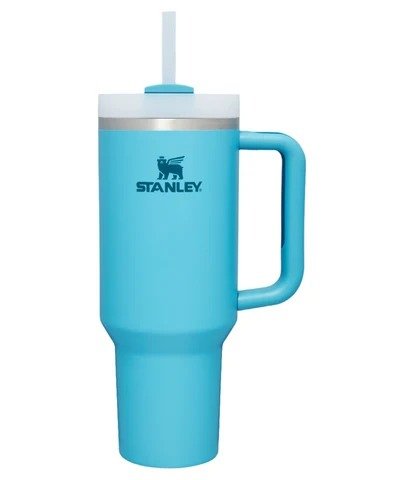
- STANLEY Quencher H2.0 FlowState Tumbler — The 40 oz all-day option with a comfort-grip handle, 3-position lid, and reusable straw, built for people who want one fill to last the whole day.
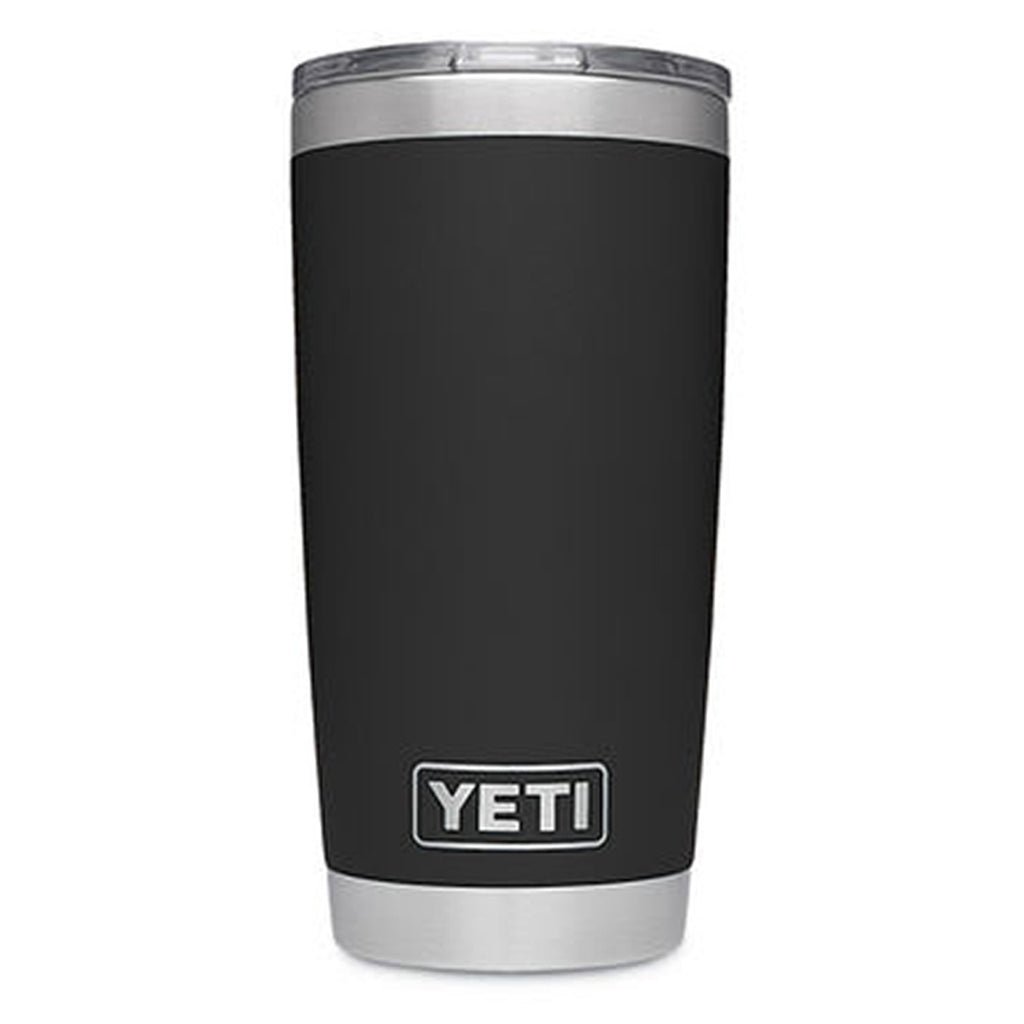
- YETI Rambler 20 oz Tumbler — A compact 20 oz vacuum-insulated everyday tumbler with a MagSlider lid, in the sweet-spot size for coffee and commuting.
Insulated Tumbler FAQs
How long does an insulated tumbler keep drinks cold or hot?
A good vacuum-insulated tumbler typically keeps drinks cold for 12 hours or more and hot for 4 to 8 hours, depending on size, how full it is, and the lid. Cold lasts longer than heat in every design, and a sealed lid stretches both numbers noticeably compared with an open slider.
Are stainless steel tumblers dishwasher safe?
Most are, but check the manufacturer. Bodies are usually dishwasher-safe while some lids are hand-wash only, especially lids with sliders or straws that have small parts. When in doubt, hand-washing the lid keeps the gasket sealing well for longer.
Do tumblers really keep drinks cold all day?
For cold drinks, yes — a vacuum-insulated tumbler filled with ice water in the morning is typically still cold in the evening. Heat fades faster, so do not expect piping-hot coffee after eight hours, but warm-for-hours is realistic with a good seal.
Tumbler vs. water bottle: which is better for commuting?
It depends on the commute. Tumblers are easier to drink from one-handed while driving and fit cupholders well, but most are only splash-resistant, not leak-proof. Sealed water bottles survive bags and backpacks. For a car commute, a tumbler wins; for a bag commute, take the bottle.
As an Amazon Associate I earn from qualifying purchases.