A dog toy is not just a distraction — it is something your dog will chew, chase, dissect, and occasionally try to eat. That is what makes learning how to choose a dog toy more important than it sounds: the wrong pick becomes a choking hazard or a five-minute shredding session, while the right one keeps your dog exercised, mentally sharp, and out of your shoes.
Toy aisles are overwhelming for a reason. A single pet store stocks hundreds of options across chew toys, fetch toys, puzzles, and plush — and most labels promise “indestructible” durability that no toy can truly deliver. This guide explains what actually matters: your dog’s play style, size, chew strength, and age, so you can buy toys that survive and keep your dog happy.
Quick answer: The right dog toy matches your dog’s play style, size, and chew strength. Pick a toy too big to swallow whole, made from non-toxic materials rated for how hard your dog chews, and suited to the way they actually play — fetch, chew, tug, or puzzle-solving. Supervise the first few sessions and retire any toy that cracks, frays, or starts losing pieces.
Match the Toy to Your Dog’s Play Style
Every dog has a toy personality. Watch how yours plays for a few days before you buy, and choose accordingly.
Chew toys for solo chewers
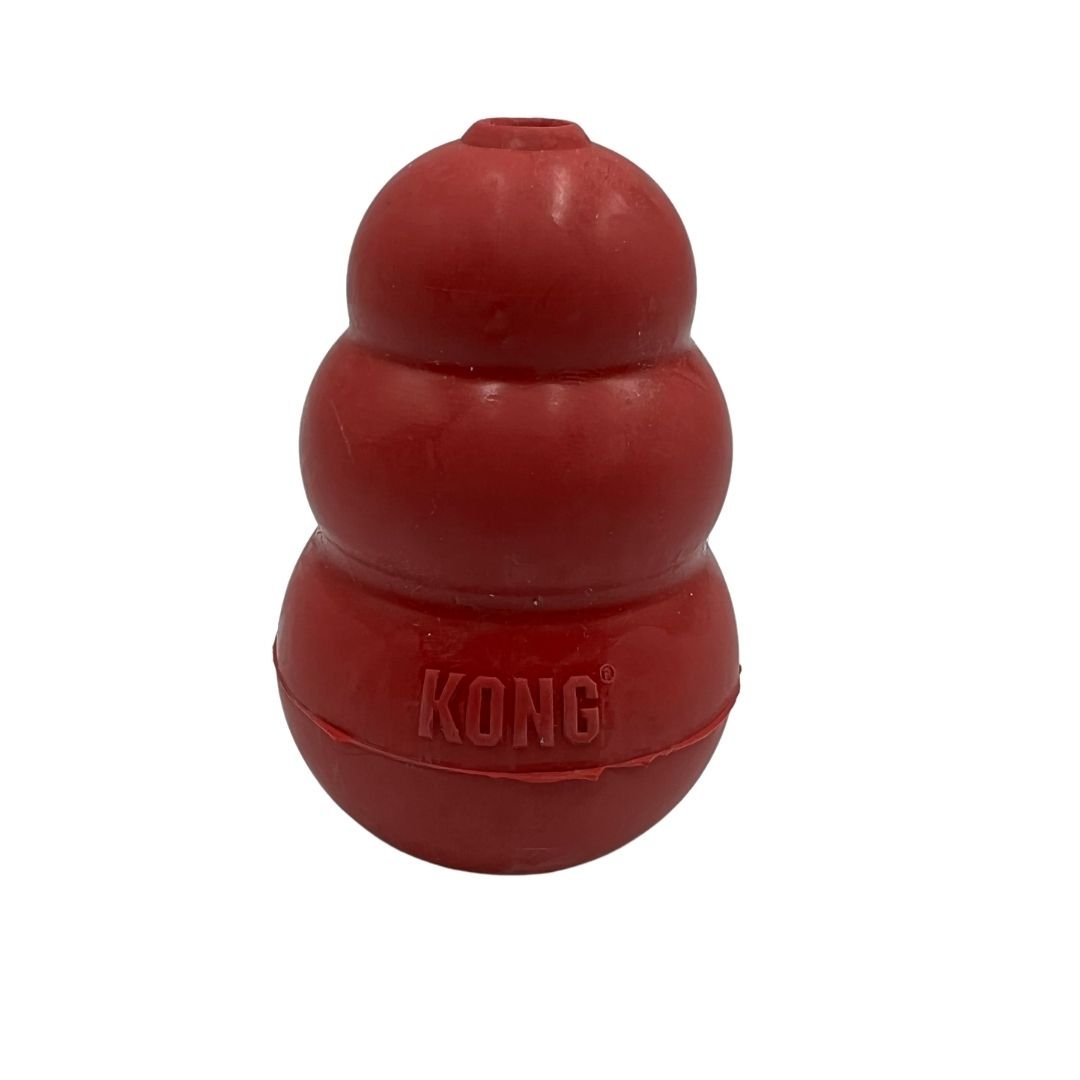
Some dogs are happiest working a toy alone with their jaws. Durable rubber and nylon chew toys satisfy this urge and can help clean teeth and ease anxiety. Hollow rubber toys that hold treats turn chewing into a long, quiet project — freeze them for an even longer challenge. Avoid anything that splinters or breaks into swallowable chunks.
Fetch toys for chasers
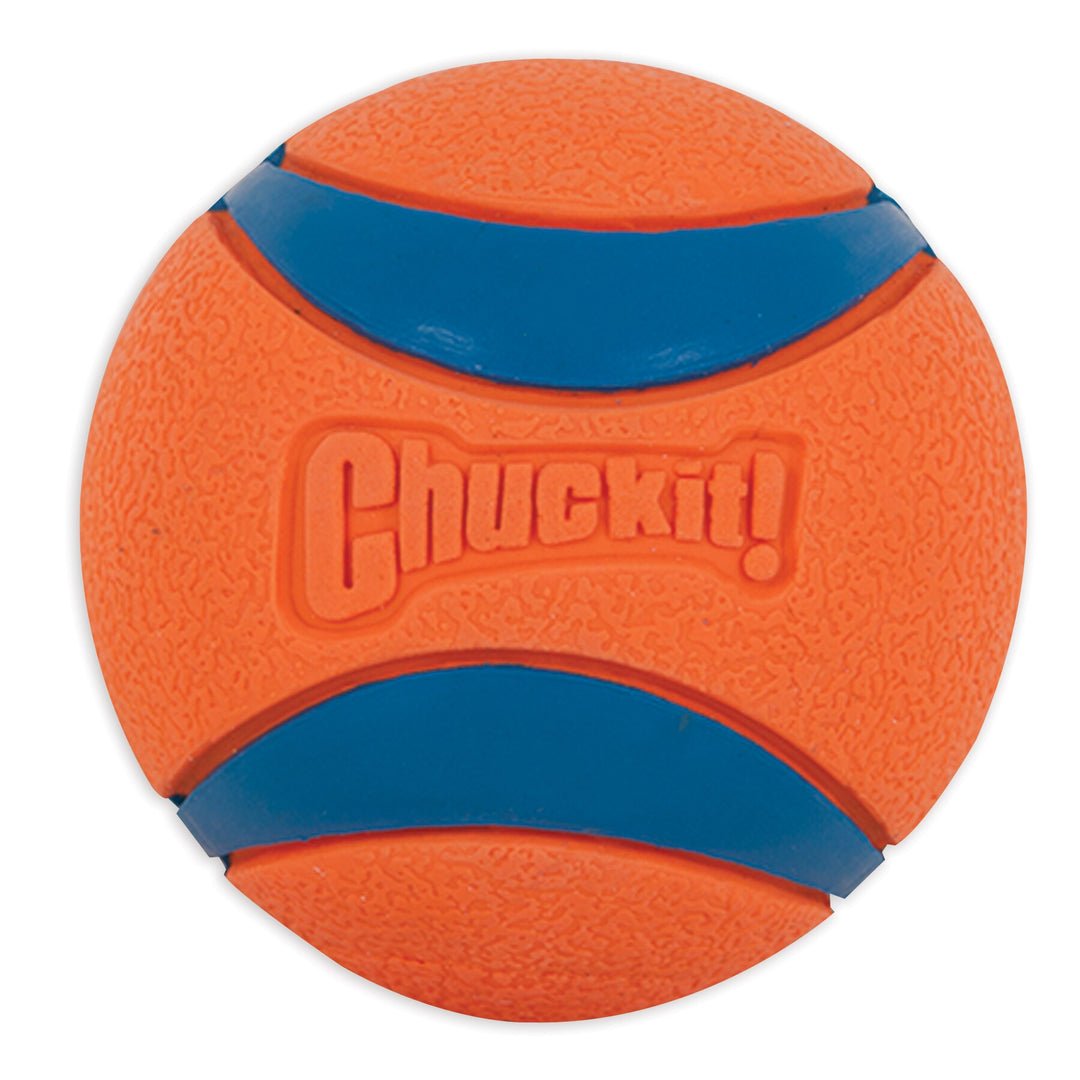
Retrievers, herding breeds, and plenty of terriers light up at anything that moves. Balls, soft flying discs, and rubber launchers suit them best. Look for a good bounce, a size your dog can pick up without straining, and a bright color you can spot in grass. Skip standard tennis balls for obsessive chewers — the abrasive felt can wear teeth down over time.
Puzzle and treat-dispensing toys for problem solvers
Some dogs are more motivated by figuring things out than by running around. Treat-dispensing balls, snuffle mats, and sliding-piece puzzles give them a job and slow down fast eaters. Start with simple puzzles and raise the difficulty as your dog gets clever. Puzzle play is also one of the easiest ways to tire out a smart dog on days when a long walk is not happening.
Tug toys for interactive players
Tug is a great bonding game that also teaches impulse control and a reliable “drop it.” Choose a rope or fabric tug toy long enough that your hands stay well clear of your dog’s mouth, and put it away when the game ends if your dog likes to chew the fibers — frayed rope strands can cause intestinal blockage if swallowed.
Plush toys for comfort seekers
Some dogs, especially seniors and anxious ones, would rather carry a toy than play with it. A well-made plush toy can become a genuine comfort object. Look for double-stitched seams, embroidered eyes rather than buttons, and no small parts that can pull loose. Keep plush toys away from power chewers — ripped stuffing is a vet visit waiting to happen.
How to Choose a Dog Toy by Size
Size is a safety decision before it is a preference. The rule is simple: a toy must be too big to fit entirely in your dog’s mouth. For balls, the classic test is that it should not be able to pass behind the canine teeth — if it can, it is a choking hazard. For chew toys, it should be longer than your dog’s muzzle is wide.
When in doubt, size up. A slightly oversized toy is awkward; an undersized one is dangerous. In multi-dog homes, keep the small dog’s toys out of the big dog’s reach. And remember that manufacturer size guides are starting points — judge by your individual dog’s jaw strength, not just their weight.
Pick the Right Material for Your Dog’s Chew Strength
Material decides how long a toy lasts and how safely it fails. Match it to your dog’s chewing intensity, not their cuteness level.
- Natural rubber: The most versatile toy material. It flexes under pressure and bounces back, suits chewers, bounces for fetch, and hollow versions hold treats. The best all-rounder for moderate to strong chewers.
- Nylon: Extremely durable for persistent chewers, but very hard — run the fingernail test: if you cannot dent the toy with your thumbnail, it may be too hard for your dog’s teeth.
- Rope and fabric: Great for tug and light chewers, but inspect for fraying and retire at the first loose threads. Swallowed fibers can tangle in the intestines.
- Plush: Comfort only. Fine for gentle players and seniors; not a chew toy, no matter how “tough” the label claims.
Across all materials, avoid toys with a strong chemical smell — it can signal cheap manufacturing. Look for non-toxic, BPA-free materials from established brands with transparent testing, and check the CPSC recall database if a brand is unfamiliar.
Match the Toy to Your Dog’s Age
Puppies need soft teething toys that soothe sore gums — freezable rubber chews are ideal — and small plush toys for comfort. Skip adult-strength hard chews until their adult teeth are in.
Adult dogs have their full bite force and an established play style, so this is where matching the toy to their personality pays off most. Rotate a small set of 3–4 toys weekly; a toy that has been stashed for a week feels brand new, which extends both its life and your dog’s interest.
Senior dogs still need play and mental stimulation, but choose gentler options: soft rubber, lightweight fetchers, snuffle mats, and lick mats that do not stress aging teeth or joints. And if shedding and dander come with the territory, our air purifier guide explains what to look for in a purifier for pet homes.
Safety Rules for Every Dog Toy
No toy is truly indestructible, whatever the label says. Supervise the first few sessions with any new toy to see how your dog actually uses it, then inspect toys regularly — retire anything with cracks, fraying, exposed stuffing, or missing chunks immediately. A toy that is slightly too tough is far safer than one destroyed and swallowed in the first five minutes. Never leave plush or rope toys unsupervised with a known destroyer. And once playtime spreads fur across the house, our robot vacuum buying guide covers what matters for homes with dogs.
Our Picks: Dog Toys Worth Buying
KONG Classic Dog Toy — Durable Natural Rubber
The original hollow rubber chew — stuff it with treats, freeze it, and it becomes an hours-long enrichment project for chewers of all ages.
Chuckit! Ultra Ball Dog Toy — Medium, 2-Pack
A high-bounce, bright fetch ball that is easy to spot in grass and water, with a rubber surface that is kinder to teeth than standard tennis balls.
Dog Toy FAQs
How many toys does a dog need?
A small rotation of three or four is plenty. The ASPCA recommends rotating toys every couple of days to prevent boredom — swapping a stashed toy back in makes it feel new again. More toys left out constantly just become furniture.
Are squeaky toys safe for dogs?
Yes, with supervision. Most dogs love the squeak, but determined chewers can extract and swallow the squeaker. If your dog starts surgically removing squeakers, switch to squeaker-free toys or keep squeaky ones for supervised play only.
When should I throw away a dog toy?
The moment it shows real damage: cracks or chunks missing from rubber, fraying rope, seams opening on plush, or a squeaker that can be pulled free. Inspect toys weekly — a damaged toy is always more dangerous than no toy.
Can puppies play with the same toys as adult dogs?
Not the hard ones. Puppies need softer teething toys until their adult teeth come in; hard nylon chews and dense rubber meant for power chewers can damage puppy teeth. Size down appropriately, but never so small the toy fits entirely in the mouth.
As an Amazon Associate I earn from qualifying purchases.