
Buying a LEGO set looks simple until you see the wall of options — hundreds of sets, five different age bands, and piece counts from under a hundred to several thousand. Whether you’re shopping for a child’s birthday, a holiday gift, or a display piece for your own shelf, knowing how to choose a LEGO set comes down to three things: the builder’s age and experience, the size of the build, and the theme that will actually get built (or displayed).
QUICK ANSWER: Match the set’s age rating to the builder’s experience first, then pick a piece count that fits the time they want to spend building — smaller sets for a quick win, larger ones for a weekend project. Choose a theme they’d genuinely love, and check whether a popular set is about to retire before the holidays, since retired sets get harder to find.
How to choose a LEGO set for the right age
The colorful box is marketing; the age rating is guidance. LEGO prints an age band on every box, and it’s the single most reliable predictor of whether a set will be fun or frustrating.
What the age bands actually mean
- 4+ (formerly Juniors): under ~200 pieces, simple builds finished in minutes, aimed at ages 4–7. Great for first builders; an experienced 9-year-old will outgrow them fast.
- 6+: 200–500 pieces, 30–60 minute builds. The sweet spot for early-elementary builders working independently.
- 9–12: 500–1,500+ pieces, multi-hour or multi-session builds with advanced techniques and lots of small parts. Best for experienced builders ready for a project.
- 13+ / 18+: complex display-oriented sets — Botanicals, Icons, Architecture — designed for teens and adults. The 18+ mark signals build complexity, not a safety risk.
The two-question shortcut
Age ratings describe the average builder. For a better fit, ask two questions: how much LEGO has this person actually built before? And do they prefer a long, absorbing project or a quick, satisfying finish? A six-year-old who builds daily will handle a 9+ set better than a ten-year-old beginner. Match the set to the builder, not just the birthday.
Match piece count to available build time
Piece count is the best proxy for how long a build takes and how it will feel.
- Small sets (under ~200 pieces): affordable, giftable, finished in one sitting. Ideal for trying a new theme or stocking stuffers.
- Medium sets (200–700 pieces): a satisfying evening or weekend-afternoon build with real detail and story elements. The workhorse range for ages 6–12.
- Large sets (800+ pieces): multi-session projects for teens and adults — highly detailed, display-worthy, and meant to be savored.
Bigger isn’t better by default. A 700-piece Botanicals orchid and a 700-piece Star Wars ship deliver completely different experiences; the right size is the one that matches the builder’s patience.
How to choose a LEGO set theme they’ll love
An unbuilt set is just an expensive box. LEGO’s themes are distinct worlds — choosing the one the recipient already loves is the safest bet in gift-buying.
For display-minded adults
The 18+ lines — Botanicals, Icons, Architecture — are designed to live on a shelf. Botanicals sets recreate flowers and plants in brick form (orchids, bouquets, succulents), need no watering, and look convincing from across the room. Icons covers vehicles, ships, and landmarks in large, detailed builds. These are the right pick for someone who wants a relaxing build and a permanent decoration.
For kids who play hard
City, Friends, Ninjago, and licensed lines like Star Wars and Harry Potter are built for play: minifigures, vehicles, and scenes that invite storytelling. Creator 3-in-1 sets are especially good here — one box builds three different models, so the play value triples without a second purchase.
For builders who love variety
Creator 3-in-1 is the theme for the indecisive: every box contains instructions for a main model plus two alternates, all from the same bricks. When one model gets old, the set rebuilds into something new.
Creator 3-in-1: three builds, one box
Creator 3-in-1 deserves its own mention because it solves the most common LEGO regret — a set that’s fun once and then gathers dust. Each box shows the main model on the front and two alternates on the back; the instruction booklet covers all three builds. After finishing the primary model, the builder can take it apart and rebuild into a completely different subject. Most sets in the line are marked 7+, making them a flexible gift for school-age kids, and digital instructions are available through the LEGO Builder app if the booklet wears out.
Smart checks before you buy
- Check whether the set is retiring. LEGO retires sets on a schedule, and popular ones become scarce after they leave shelves. If a set is a must-have gift, buy before the holiday rush.
- Expand an existing collection. A child deep into LEGO City gets more from another City set than from a random licensed one — themes connect into bigger worlds.
- Measure the shelf. Built sets need a home; an 18+ display set can be a foot tall or more. Confirm there’s display space before buying a large set.
- Verify the set number. Names repeat across years. The set number on the box — like 10280 or 10329 — guarantees you’re getting the exact set you researched.
- Consider the occasion. Small Creator 3-in-1 sets make great party favors and stocking stuffers; large Icons or Botanicals sets are centerpiece gifts.
Our picks
Looking for a place to start? These three sets are all on our site:
- LEGO Botanicals Flower Bouquet (set 10280) — a 15-stem brick bouquet that works as home decor; a relaxing 18+ build and one of the most-gifted sets in the Botanicals line.
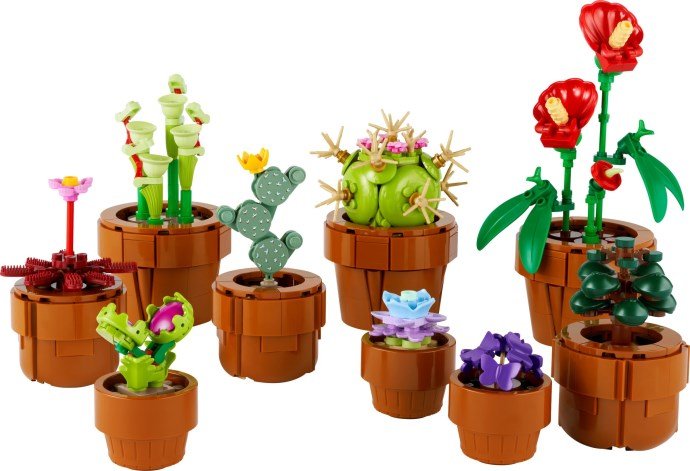
- LEGO Icons Tiny Plants Building Set (set 10329) — nine miniature buildable plants in terracotta-style pots; compact, displayable, and beginner-friendly for adult builders.
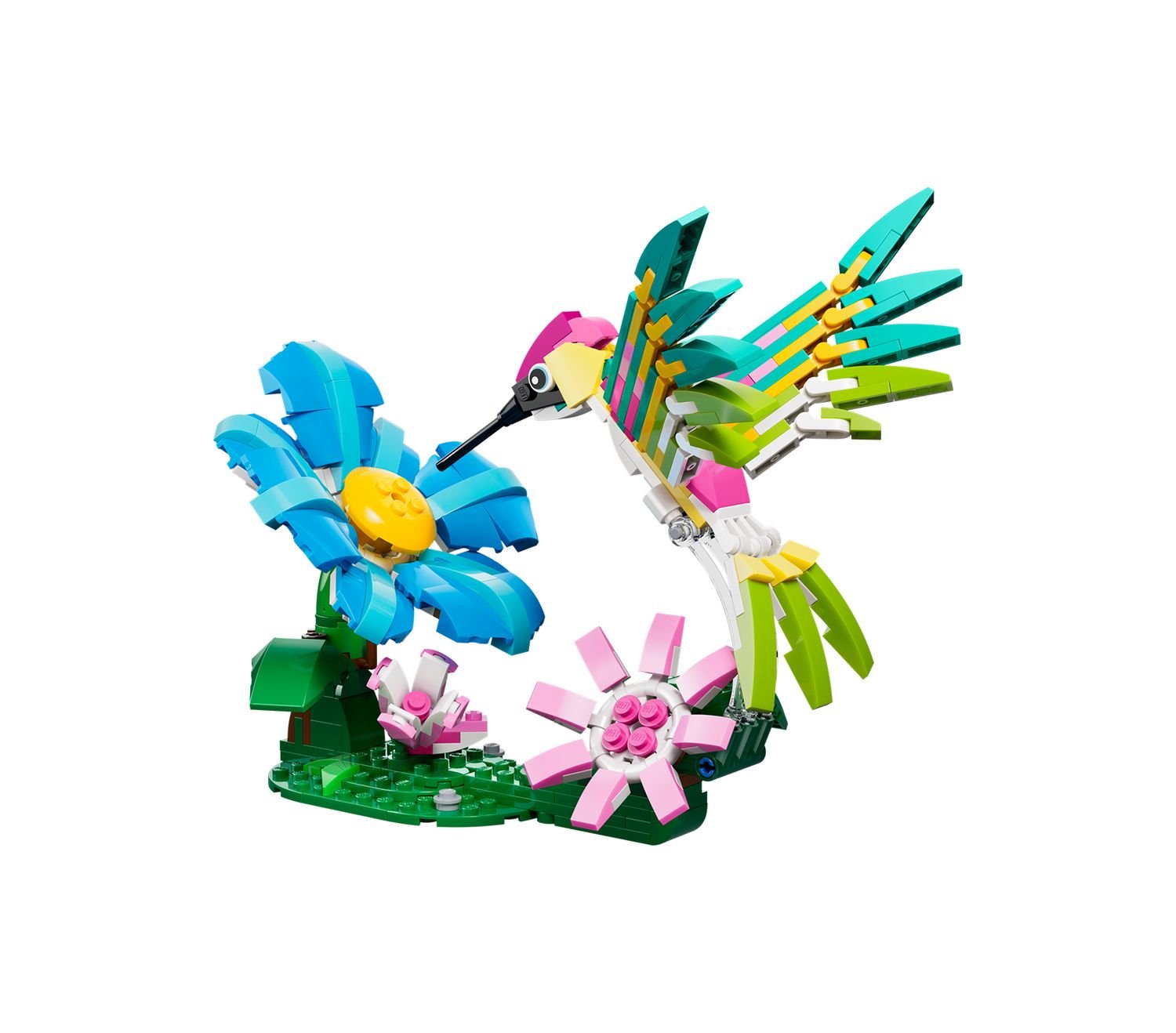
- LEGO Creator 3-in-1 Wild Animals: Colorful Hummingbird (set 31384) — builds a hummingbird, a butterfly, or a frog from one box; the most play-and-rebuild value of the three.
Frequently asked questions
What’s the difference between Creator 3-in-1 and regular LEGO sets?
A Creator 3-in-1 set includes instructions for three complete models — the main build plus two alternates — using the same bricks. Standard sets build one model. It’s the best value per box if the recipient likes rebuilding.
Are LEGO Botanicals sets real plants?
No — they’re brick-built replicas designed as home decor. They need no water, never wilt, and can be rearranged or combined with other Botanicals sets into larger arrangements.
Can a younger child build a set rated for an older age?
Sometimes. The age band reflects typical building experience, not a hard rule. A skilled younger builder can handle an older set with patience (or a little help), but jumping two bands up usually leads to frustration. When in doubt, stay within one band.
Do LEGO sets hold their value after building?
Built sets generally resell for less than new-in-box ones, but retired sets in good condition — especially popular themes — often appreciate. Keep the box and instructions if resale value matters to you.
As an Amazon Associate I earn from qualifying purchases.